Gallagher Adds Second Production Line as Wearables Boom
The man appointed to lead Gallagher's global Animal Management business through the next stage of growth believes the wearables boom is here.
 increase font size
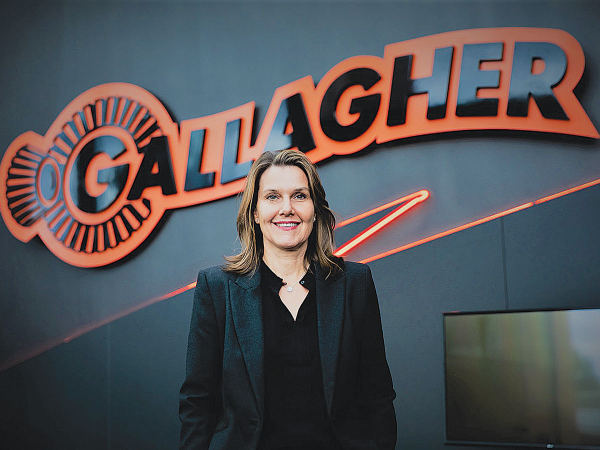 Lisbeth Jacobs, Gallagher's.
Strong industry partnerships will be cruical to protecting the future of New Zealand's primary industries as farming becomes increasingly data driven.
The comment was made by Gallagher's new global general manager of animal management, Lisbeth Jacobs at the recent Primary Industries New Zealand conference in Christchurch.
Jacobs believes that unlocking the full potential of the technology needed to safeguard farming's future will only happen if our industry collaborates.
"Artificial intelligence will play a key role in the future of agriculture in New Zealand as we move towards more data driven, precision farming," she says.
"But farmers risk becoming overwhelmed with information from a number of sources that is housed across different apps.
"As we innovate and encourage farmers to adopt new technologies, we need to agree on quality data standards and how data can be easily shared across a range of industry platforms.
"Ultimately, it's about working together alongside farmers and making it easy for them to harness all the information they already have at their fingertips to make better decisions. Only then will we be in a position to produce more with less and in a way that our customers demand."
Mega trends around water quality, food traceability and social license to operate are not unique to New Zealand. But Jacobs says with the world's population predicted to increase by 2 billion over the next 20 years, having quality data to make the best decisions will be crucial to maintaining our country's competitive advantage.
"We already have sensors available for just about everything from electric fences to water management products and even cattle neckbands, with most tools being cloud based.
"All this technology creates huge amounts of data. If we harness it correctly and make it easy to interpret, it can be used to add real value and create precision farming operations that will stand the test of time."
She says there is the potential to use artificial intelligence and machine learning to analyse the enormous amounts of data generated everyday by farmers. The concept of wearable technology is also starting to gain traction.
Gallagher launched its virtual fencing technology eShepherd at Fieldays last month. It promises to revolutionise New Zealand pastoral livestock operations, helping farmers meet environmental regulations and saving them millions of dollars on traditional fencing.
eShepherd allows graziers to control the location and movement of cattle using a web application and an intelligent, solar-powered neckband connected to the internet via a base station.
Lisbeth says the development of technology like eShepherd, along with Wi-Fi enabled weighing and EID technology, means farmers will be able to manage every individual animal on their property from their phone.
“It’s exciting to think that farmers can have all these data insights in the palm of their hand and make good business decisions from wherever they may be – on the farm, in town or at school. We also need to consider how we can make farmers’ lives easier and appeal to the next generation of farm owners.
“We have been generating data for a long time. Now technology means we are gathering information from anywhere at any time. But we are only just beginning to make real sense out of that information and understanding how we can use it to our advantage. The challenge now is to coming together as an industry to help farmers realise its potential.”
The man appointed to lead Gallagher's global Animal Management business through the next stage of growth believes the wearables boom is here.

Gallagher has appointed Rob Clayton as Chief Executive of its global Animal Management business to lead the next stage of growth across key markets.
This year's Northland Field Days marks an important milestone – 40 years of bringing farmers, growers, innovators and rural communities together. For Gallagher, it’s a milestone they’re proud to be part of.
Global trade wars and uncertain tariff regimes could play into the hands of many New Zealand exporters, according to Gareth Coleman ANZ’s Head of Trade & Supply Chain.
Hawke's Bay farmer Matthew Barham manages up to 2000 cattle across his 1020-hectare operation, typically a mix of Charolais, Angus and Simmental X steers and bulls, arriving at 12-16 months of age.
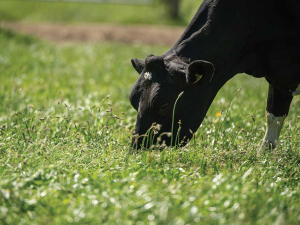
Farms across the upper North Island are trialling different pasture mixes as part of a research programme that aims to build greater resilience into farming systems.
Election years are always a concerning time for farmers, according to DairyNZ chair Tracy Brown.
The Ballance Farm Environment Awards are coming to the West Coast of the South Island.
Most dairy regions around the country have had a pretty good season so far says Tracy Brown.
Rural leader Mark Hooper has been appointed as an independent director to the NZPork board, bringing extensive farming, governance and advocacy experience to the role.