NZ exports to EU surge by $3b under free trade deal, says Government
New Zealand exports to the European Union have surged by $3 billion in two years under the New Zealand-European Union Free Trade Agreement.
 increase font size
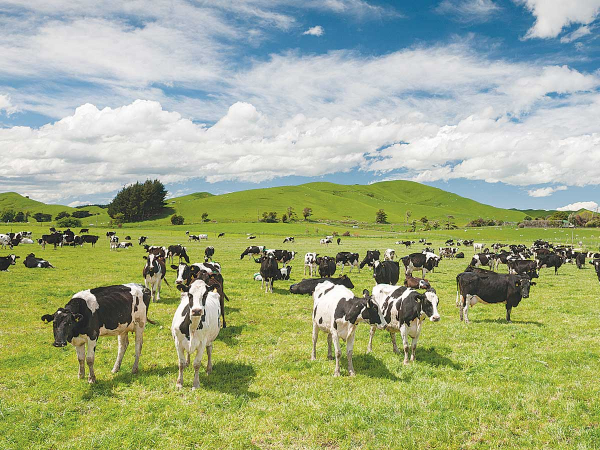 Some farming leaders in the dairy and sheep & beef sectors argue that NZ should not have signed the deal.
OPINION: Since the announcement of the trade agreement between NZ and the EU there has been considerable outcry.
Some farming leaders in the dairy and sheep & beef sectors argue that NZ should not have signed the deal, but soldiered on to get a better one. Fair comment perhaps, but remember there are other primary sector people - notably those in the horticulture sector - who are smiling at the outcome.
To the critics, maybe it's time to take a look at the history books and understand why the EU, or EEC as it was originally known, was created. Put simply, it was to provide food sovereignty or food securityin the economic union.
This was based on the problems that surfaced at the end of WWII when ordindary people - not those in concentration camps - starved to death. The figure of 45,000 in the Netherlands is one that comes to mind.
There was also an element in the EEC charter of creating political stability in Europe and using trade as a conduit for this.
So, as we have learned, sport and politics are inseparable and so is trade and politics - to suppose otherwise is naïve. Hence in the end, it was the politicians who made the final call to accept the EU's offer.
This NZ/EU FTA is a reflection of history. What we saw in the negotiations was a position taken by the EU that differed little in theory from when we first began negotiating with it back in 1973. While NZ is seen as a friend, it is not a blood relation and, as they say, 'charity begins at home'.
The EU has always prioritised its own electorally important farmers over countries like ours, who would like the largest possible slice of their affluent market.
Sure, the deal is not perfect and no one thought it would be as good as the UK FTA. But we do have a deal and an enshrined political relationship with one of the powerhouse economic regions in the world.
When Britain joined the EU, we had to find alternative markets and were very succesful in doing so. It is arguably much harder today with Covid and a very uncertain and somewhat frightening geopolitical situation. But people have to eat and we produce some of the best food in the world in a sustainable way, so there is hope.
The time has come to accept what we have got and move on as we have always done.
New Zealand exports to the European Union have surged by $3 billion in two years under the New Zealand-European Union Free Trade Agreement.
When it comes to international trade, politicians from all sides of the aisle are united, says Labour's trade spokesman Damien O'Connor.
New Zealand’s trade with the European Union has jumped $2 billion since a free trade deal entered into force in May last year.
OPINION: I recently returned from a market visit overseas, including the United Kingdom and Europe. These are critical, historically important and increasingly high value markets for our red meat exports.
A European Union regulation ensuring that the products its citizens consume do not contribute to deforestation or forest degradation worldwide threatens $200m of New Zealand beef and leather exports.


Āta Regenerative is bringing international expertise to New Zealand to help farmers respond to growing soil and water challenges, as environmental monitoring identifies declining ecosystem function and reduced water-holding capacity across farms.
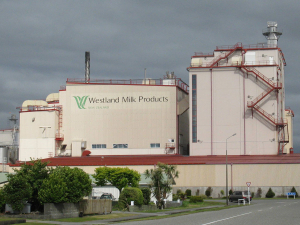
Yili's New Zealand businesses have reported record profits following a major organisational and strategic transformation.
Owners and lessees of certain Hino Trucks New Zealand diesel vehicles have just 10 days remaining to register or opt out of a proposed $10.9 million class action settlement.
Silver Fern Farms has successfully produced and delivered 90 tonnes of premium chilled New Zealand lamb and beef to the United Arab Emirates via airfreight.
For the first three months of 2026, new tractor deliveries saw an increase over the previous two months, resulting in year-to-date deliveries climbing to 649 units - around 5% ahead of the same period in 2025.
QU Dongyu, director-general of the Food and Agriculture Organization of the United Nations (FAO), has issued a warning saying that global fertiliser scarcity caused by disruptions in the Strait of Hormuz will lead to lower yields and tightening food supplies into 2027.