




Recent

Earthworm eDNA Testing Offers New Insights into Vineyard Soil Health
Many winegrowers around the country will be preparing for seasonal nematode assessments this winter, including those that use eDNA to…WinePro 2026: Technology, Innovation and Solutions for New Zealand Wine
WinePro is one of the few moments in the year where the whole industry stops and looks forward, says Agovor…New Zealand Wine Vintage 2026: Regional Harvest Results and Industry Outlook
Vintage 2026 yielded excellent fruit for most New Zealand wine regions.Sauvignon NZ27
Sauvignon Blanc New Zealand 2027 will offer something for everyone, says committee member Murray Cook.National
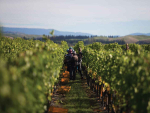
BRI Launches Grower Trials Programme to Put Vineyard Innovation in Growers’ Hands
BRI has launched a new initiative that places growers and viticulturists at the centre of the research process. Grower
Stephanie McIntyre Named New Chief Executive of Appellation Marlborough Wine
Appellation Marlborough Wine has appointed Stephanie McIntyre as its new Chief Executive.Philip Gregan Honoured with Global Lifetime Achievement Award for Wine Industry Leadership
NZW Chief Executive Officer Philip Gregan has been awarded a prestigious Lifetime Achievement Award by leading international publication The Drinks…Marlborough Civic Theatre Renamed Whitehaven Theatre Marlborough
Whitehaven Wine Company has become naming rights sponsor of what is now Whitehaven Theatre Marlborough.Anishka Jelicich Appointed New Zealand Winegrowers Chief Executive
Anishka Jelicich will become New Zealand Winegrowers chief executive at the end of July.Regional
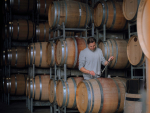
New Zealand Wine Vintage 2026: Regional Harvest Results and Industry Outlook
Vintage 2026 yielded excellent fruit for most New Zealand wine regions.
Blind Tasting 2025 Returns: NZ Wines Assessed Across 40+ Varieties
After a hiatus last year, the third iteration of the Blind Tasting returned as a one-day event in Auckland, assessing…Seasonal Update: Discombobulated Vines, Focused Wines in 2026
"Discombobulated vines lead to great wines", says viticulturist James Dicey, who has lamented the past five years of comparatively easy…WinePro 2026 Builds on Inaugural Success
Organisers of the Inaugural WinePro are looking to build on its success in 2026, with wine-related trade education and innovation…Altogether Unique: Sauvignon Blanc New Zealand 2027 Gains Global Traction
Read OnOpinion

Mastering Wine: Why Play, Not Perfection, Drives Innovation in Wine and Life
OPINION: Wow, the world is a pretty terrible place right now.
Mastering Wine: Recalibrating New Zealand Wine
The start of any new year arrives heavy with expectation, bold declarations, and promises of ‘new’ (presumably better) versions of…Editorial: Happy accidents and hard graft
OPINION: There are plenty of “happy accidents” behind the phenomenal success of New Zealand Sauvignon Blanc, said Winemaker Helen Morrison at…Mastering Wine: Emma Jenkins' MW Musings
OPINION: For much of its modern history, New Zealand wine has been defined by its boldness.Emma Jenkins' MW Musings: Do we need wine?
OPINION: At the recent Organic and Biodynamic Winegrowing Conference, the Porto Protocol’s Marta Mendonça said, “Grapes are not the thirstiest…Profiles

Growing Legacy: Sophie McGill Honours Her Father James Healy
New Zealand's wine industry lost a beloved winemaker, mentor, colleague and friend earlier this year. Five decades after James Healy…
Wine Art: Hawke’s Bay Winemaker Honours Family Through Unique Wine Labels
You'll be hard-pressed to find a more emphatic tribute to family than the one Jenny Dobson conveys via her Hawke's…Morven McAuley: Founder of Tradecraft and Wine Industry Translator
Morven McAuley has never been particularly interested in wine as an object of reverence.Women in Wine: Ashleigh Barrowman’s Path to Siren
When Ashleigh Barrowman landed in Marlborough a decade ago, she was convinced the wine tanks that dotted the landscape were…Women in Wine: Jess Wilson
In the acknowledgements section of her Kellogg Rural Leadership Programme report, Jess Wilson thanks those who’ve supported her many endeavours.…Industry

Sauvignon NZ27
Sauvignon Blanc New Zealand 2027 will offer something for everyone, says committee member Murray Cook.
Altogether Unique
Read On...Biosecurity Update: Mothballed Vineyards in NZ
The New Zealand wine industry continues to feel and see the effects of the changing economic landscape, oversupply, and ongoing…Wine Weather: From Mild La Niña to Potential “Super El Niño” Risk in 2026
With the exception of a heat event during early January that brought some record breaking temperatures to the east coast…On Your Behalf: Flexibility in Recruiting an International Seasonal Workforce
We are encouraged that employers are already engaging with two new visas for seasonal workforce recruitment.Machinery & Products
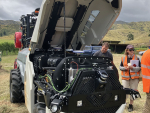
Marlborough Demo Highlights Role of AGVs in Sustainable Winegrowing
The air was unseasonably crisp in the upper Wairau Valley in mid-December as two autonomous ground vehicles moved methodically through…
Landini Rex 4 vineyard tractor series debuts in NZ
The Landini Rex 4 Series, recently released in New Zealand, is designed with vineyards in mind.Cropsy's cutting-edge AI on the vineyard
A New Zealand startup is providing growers with vital information for daily operations and long-term vineyard management, using a unique…Future Post sets "benchmark"
A company transforming waste plastics into valuable vineyard posts took top prize at the 2025 Port Marlborough – Marlborough Environment…The sky is the limit at Felton Road
Felton Road Wines is using an electric drone sprayer to apply organic fungicides and monitor crops, cutting emissions and transforming…» Latest Print Issues Online
Editorial

From the CEO: Constants Across Four Decades
OPINION: This is my last article as Chief Executive, so I thought I’d take the opportunity to talk about three…
Grape Growers Facing Tough Seasons
OPINION: Growing great grapes takes hard work and heavy investment, with a post-harvest marathon of pruning and maintenance, frost defence and…
Popular Reads
Kevin and Kimberley Judd: Four decades shaping Marlborough wine legacy
A Wine Marlborough Lifetime Achievement Award is “very premature”, say Kevin and Kimberley Judd, nearly 43 years after they came…
Banks Peninsula winemaker launches single-serve wine pouches
From the heights of tramping tracks to the depths of picnic baskets, a Banks Peninsular winemaker wants his wines to…
Crafting Pinot Noir from Hidden Vineyard in Te Muna Valley
From a secluded corner of South Wairarapa, Paul and Amy Mason aim to forge wines that reflect their place.
