Early Weaning Lambs: What the Massey Trials Found
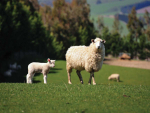
Farmers with high-quality feed available in late spring could consider weaning at least a proportion of their lamb crop early to benefit both lambs and ewes.
 increase font size
 Attendees at the Dairy Women's Network 2021 Calf Rearing Expo in Waikato.
A series of calf rearing expos are being planned over the next months by Dairy Women's Network.
The first expo takes place in Stratford, Taranaki on June 9 followed by events in Matamata, Ashburton and Invercargill.
Dairy farmers and calf rearers are invited to hear SealesWinslow nutrition and quality manager Natalie Hughes and AgriVantage technical advisor and nutritionist Natalie Chrystal present on how to maximie the genetic potential of calves in their early weeks for a lifetime of high performance.
With a focus on 'turning today's calf into tomorrow's cow', Hughes and Chrystal will share best practice and recent science to help calf rearers and farm owners get their calves off to the right start.
Topics covered will include first principles of calf rearing, housing and care for newborns, feeding and understanding the different feed options available, weaning to pasture, and achieving liveweight gains for heifers.
"It all starts before day one of the calf's life; planning and preparation before calving sets us up for a successful season," says Hughes.
"Knowing the 'what and how' of our own calf system, with the latest tips and tricks, takes some of the weight off when calves hit the ground."
Chrystal says the care of the newborn has the potential to dramatically impact lifetime productivity.
"We want to provide calf rearers with information to allow them to develop the best possible rearing system for their situation. The aim is to break down the science into practical application so rearers achieve the most profitable results."
Calf rearing is a critical time on farm for both people and animals, with future performance determined by the quality and management of newborn calves from the time of birth through to 12 weeks of age.
"We want attendees to walk away from the day feeling prepared and ready for the calf rearing season. It's a time that can be overwhelming so they need to be able to walk away not only with knowledge around best practice, but tools and resources they can action," said DWN chief executive Jules Benton.
At each expo attendees will have the opportunity to book a problem-solving slot with Hughes or Chrystal for any farm-specific challenges and questions.
With sector partners and organisations hosting trade stands, dairy farmers will be able to tap into the knowledge of experts in animal care and nutrition under one roof, making calf rearing preparation easier than ever.
Confirmed exhibitors include DairyNZ, Fonterra, LIC, NAIT, IDEXX, Milk Bar and Strong Woman - who will take attendees through some simple exercises to keep physically fit during calving.
The expos align with the Dairy Tomorrow Commitments 4 and 5: "We will be world-leading in on-farm animal care, and, We will build great workplaces for New Zealand's most talented workforce".
Visit dwn.co.nz/events for more information and to register.
Farmers with high-quality feed available in late spring could consider weaning at least a proportion of their lamb crop early to benefit both lambs and ewes.
The first major update to the Dairy Cattle Code of Welfare in more than a decade has been released, marking what DairyNZ describes as an important step in ensuring animal welfare standards continue to evolve alongside scientific evidence and on-farm realities.
Bovine Viral Diarrhoea (BVD) is sometimes viewed as a dairy industry issue, but the reality is that the disease can have serious consequences for beef breeding herds as well.
Good Calf shed hygiene has always been about providing clean, dry bedding.
Animal health company Bovonic is gearing up for its next stage of growth after increasing New Zealand sales of QuadSense by more than 50% in the last 12 months, including a record quarter for the business this year.


Federated Farmers has welcomed new rural policies released by ACT, saying they align closely with its own election priorities.

Rural Contractors NZ says proposed changes to land transport rules for agricultural vehicles are a welcome response by the Government to out of date regulations which have seen members hit with huge fines.
Alliance is calling for final applications for its 2027 Graduate Programme, with applications closing on Sunday 25 October.
Decades piloting planes has ensured vet and farmer David Hayes is focused on safety. So, after a serious accident while welding on farm, he is sharing his experience so others can learn from it.
Canterbury milk processor, Synlait Milk has confirmed Leon Fung as its chief executive officer.
OPINION: Making it easier to collect rainwater and use it to grow crops and livestock is a no brainer.