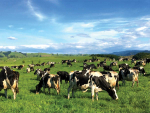
Federated Farmers say recent stock sickness or deaths are likely to have been caused by high sugar content in the fodder beet they have been eating.
President and science spokesperson William Rolleston says the deaths have nothing to do with genetic modification as GE Free New Zealand has speculated.
"Fodder beet has only recently been brought into widespread use in New Zealand and unfortunately some farmers are still coming to terms with how to best feed it to their stock," he says.
"We know there is a problem with stock feed transition and there is some cautious advice, such as that from DairyNZ, on how to manage feed of fodder beet without complications."
Rolleston says that stock have been fed crops, such as fodder beet, for generations and digestion problems, such as acidosis, are known stock disorders. However, proper management, and attention to feed requirements of energy, roughage, protein and minerals will keep the stock healthy.
"Many of the crops and commercial plants we use and eat in New Zealand, including those accepted by the organics industry, have been produced using chemical or radiation mutagenesis. It's a process, which has been used for decades, including in the breeding of the herbicide tolerant swedes, which caused similar issues last year. For some to confuse this conventional breeding technique with modern genetic modification is simply nonsense."
Rolleston says GE Free New Zealand has been desperate to link animal illness to genetic modification.
"The fact is that while hundreds of millions of hectares of genetically modified crops have been grown around the world over the past 20 years, not one case of human or animal illness can be attributed to these approved crops,' he says.
"This sort of misguided rhetoric highlights why Federated Farmers is advocating against local councils banning genetic modification.
"The Royal Commission on Genetic Modification in 2001 concluded that we should proceed with caution and preserve our opportunities. Federated Farmers agrees with this conclusion."