NZ ETS Settings Hold Steady Amid Shortfall Warning
The Climate Change Commission has recommended maintaining the current New Zealand Emissions Trading System (NZ ETS) settings but warns of a potential unit shortfall as early as 2028.
 increase font size
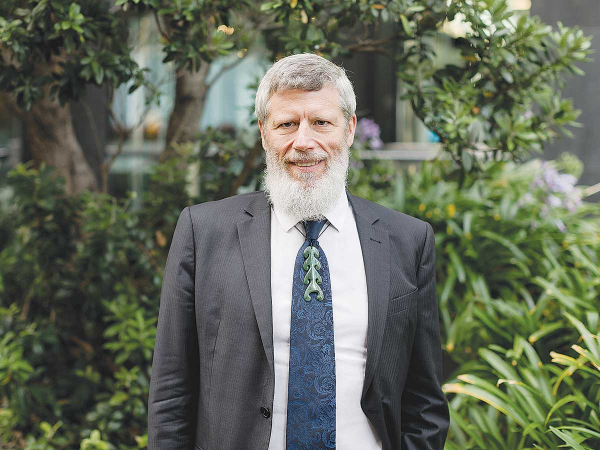 Climate Change Commission chairman Rod Carr.
The Climate Change Commission is allowing more time for public submissions on its draft advice to the Government.
Consultation opened on February 1, with submissions initially due by March 14: deadline has been extended for two weeks now closing on March 28.
“We have heard from stakeholders that they need more time to consider our data and develop informed submissions,” Commission chair Dr Rod Carr says.
“We needed to balance time needed by stakeholders to consider our data as part of their submissions, with the work evaluating submissions and determining their impact on our draft advice. The board felt two weeks provided this,” he says.
Carr expects “a significant number of submissions” for his team to analyse. About 350 submissions were received within the first three weeks.
“It is important to us that people are able to contribute to our work - which we hope results in a fundamental and lasting change for the direction of climate action in Aotearoa.
“We have had a fantastic response so far with more than 350 submissions. People are responding to our work productively and positively.
“The Commission is clear that this is draft advice and is committed to true consultation. We are prepared to make changes in light of what we hear,” says Carr.
The Commission must deliver its final advice to Government by May 31.
It is proposing first three emissions budgets for New Zealand and recommendations on the direction of the country’s first emissions reduction plan, which provides policy guidance to Government on how the emissions budgets could be met.
This draft advice explains how NZ can reach net zero emissions for long-lived gases by 2050, as outlined in the Climate Change Response (Zero Carbon) Amendment Act.
The Government then has until December 31 to decide whether to accept recommendations in the advice.
DairyNZ will be developing a submission on behalf of its levy paying farmers.
DairyNZ chief executive Tim Mackle says the Commission’s science-based approach is ambitious and challenging for all of New Zealand and farming is no exception.
“The short-term 2030 and 2035 methane targets are ambitious, making the next 10-15 years the most important for adapting farm systems and investment in research and development solutions for agriculture,” says Mackle.
“As a sector, we are committed to producing sustainable food and remaining the world’s most emissions efficient. So, like every kiwi playing their part in addressing climate change, dairy must play our part too.”
The Climate Change Commission has recommended maintaining the current New Zealand Emissions Trading System (NZ ETS) settings but warns of a potential unit shortfall as early as 2028.
The Climate Change Commission’s 2025 emissions reduction monitoring report reveals steady progress on the reduction of New Zealand’s climate pollution.
Former Governor-General Dame Patsy Reddy will be the new chair of the Climate Change Commission.
The dairy industry is well placed to front the cost of new technologies to deal with methane emissions, but the sheep industry isn't.
There is an urgent need for the Government to put a limit on the sale of farms for forestry - particularly for carbon farming.

Farmlands shareholder directors are urging farmers and growers to vote ahead of the Farmlands AGM 2026, with the deadline to appoint a proxy at 6.30pm this Sunday 22 November.
Lamb survival has always been a key driver of sheep farm performance.
For the second time in three weeks, Fonterra has lifted its farmgate milk price, on the back of soaring milk powder prices.
The 2027 East Coast Farming Expo will continue a decade long tradition in bringing the latest innovation, intriguing speakers, industry leaders and more.
Halter has launched Mav, an AI farming assistant that lets dairy farmers ask questions about their herd and pasture and get answers drawn from the data the company’s collars already collect.
OPINION: At first glance it appears that Father Christmas has delivered the rural sector good tidings, with most pundits predicting the return of the centre-right coalition.