Let Farmers Decide What They Farm
OPINION: Well, the silly season is upon us and all us politicians are running around shaking babies and kissing hands, or maybe the other way around.
 increase font size
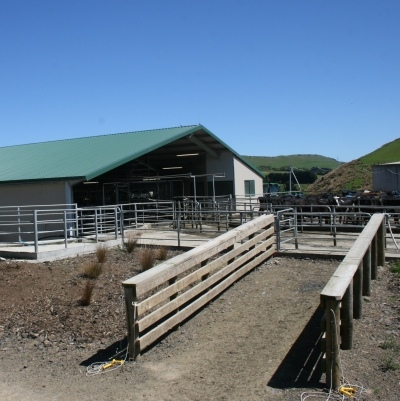
There is a limit to what farmers can do to improve security on their farms, says Federated Farmers Dairy chairman Andrew Hoggard.
His comments follow the publicity surrounding the news of a 1080 threat to infant milk formula. At a news conference it was suggested farmers should secure their milk supply.
But Hoggard points out that farmers need to keep their sheds and facilities open at all times for tankers to collect their milk. Beyond installing a security camera they can do little more, he says.
“In the modern cowshed there is quite a bit of technology and kit but we have to leave everything open for tankers,” he told Dairy News.
“More and more farmers are installing security. I have tried a number of different cameras including game trail ones. The worry I have with those is that the criminal could quite easily steal it and I’d never know who the criminal was.”
Hoggard has a camera connected to his computer providing pictures of anyone entering his cow shed. Plenty of equipment is being stolen from cows sheds, an ongoing problem, he says. – Peter Burke
OPINION: Well, the silly season is upon us and all us politicians are running around shaking babies and kissing hands, or maybe the other way around.

It was billed as a chance for all the political parties to woo the rural vote, but question marks hang over just how effective this was.
There's been widespread support from the primary sector for the Government's announcement on changes to freshwater farm plans that come under the Natural Environment Bill, which is now set to replace the existing RMA.
A pause on Waikato Regional Council's (WRC) plan change that sets new freshwater rules for farming could be announced in the coming weeks.
New Zealanders are being urged to be alert following a confirmed positive case of H5 bird flu this week.


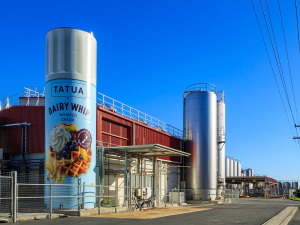
Waikato milk processor Tatua has again declared a record milk payout to farmer shareholders, leaving other processors in the dust.
A Labour-led Government won’t be bringing back the controversial freshwater rules of 2020.
National’s much-touted free trade deal with India featured in the Rural Issues Debate at Mystery Creek, Hamilton on Wednesday night.
New Zealand's 2026-27 freshwater fishing season has opened, with anglers encouraged to head to rivers and lakes over the coming days as conditions look favourable across much of the country.
Central Otago District Council (CODC) has voted against a plan to spread treated sewage sludge from Cromwell and Alexandra on farmland near Lauder, a decision Federated Farmers says reflects strong opposition from rural residents.
Pāmu has released its FY26 Integrated Annual Report, reporting a Net Operating Profit of $113 million, more than double the $49 million recorded in FY25.