Mark Hooper Joins NZPork Board as Independent Director
Rural leader Mark Hooper has been appointed as an independent director to the NZPork board, bringing extensive farming, governance and advocacy experience to the role.
 increase font size
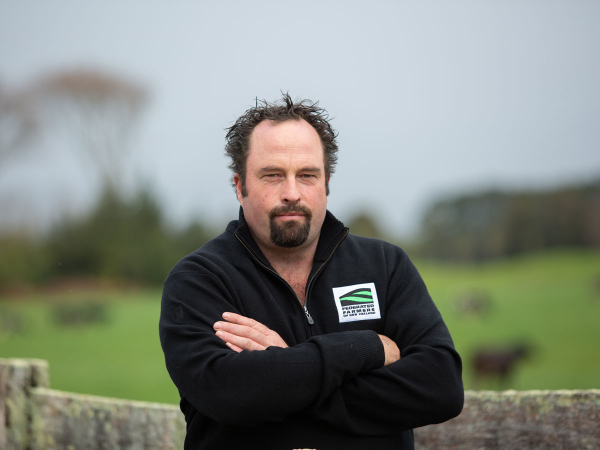 Federated Farmers banking spokesperson Richard McIntyre.
Farmers are welcoming the broad scope of a parliamentary inquiry into banking competition.
The terms of reference announced last week include looking at the price of banking services, with a particular focus on business and rural lending products and the return on capital from business, rural and residential mortgage lending.
Federated Farmers banking spokesperson Richard McIntyre says the broad scope of the inquiry will hit the mark for farmers and rural communities.
“We’re pleased to see the Government announce a wide-ranging inquiry that will leave the banks with nowhere to hide,” McIntyre says.
“Farmers have been asking serious questions about the levels of competition, profitability and transparency in rural lending for a long time now – and it looks like they’re about to get answers.
“This inquiry is well placed to shine a bright light on parts of our rural banking system that, until now, have been allowed to operate in the shadows.”
The chair of primary production select committee, Mark Cameron, is urging the rural sector to make their voices heard.
“Anyone on the back of a rural loan, whether you are a horticulture, sheep and beef, arable or dairy farmer, should make sure their voices are heard – be part of the process,” he told Dairy News.
The public submission period runs for six weeks.
Rural leader Mark Hooper has been appointed as an independent director to the NZPork board, bringing extensive farming, governance and advocacy experience to the role.

Election years are always a concerning time for farmers, according to DairyNZ chair Tracy Brown.
The terrible floods that hit the Wairarapa may have subsided, but the danger to farmers still exists, according to local Federated Farmers president Rob Hickson.
Will a stronger, more coordinated voice help rebuild confidence and improve returns in the wool sector?
New Zealand's pest problem has reached crisis point, according to Federated Farmers' second National Pests Survey, which shows farmers are spending more money and effort on control — yet pest numbers keep climbing faster than they were two years ago.



Now in its fourth year, the 2026 Fencing Industry Awards, formed part of the proceedings of the FCANZ Conference, held in Nelson during August.
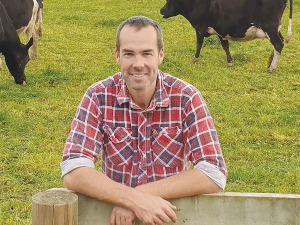
DairyNZ deputy chair Cameron Henderson has been re-appointed unopposed for another term.
OPINION: The stats speak for themselves.
Farms across the upper North Island are trialling different pasture mixes as part of a research programme that aims to build greater resilience into farming systems.
Election years are always a concerning time for farmers, according to DairyNZ chair Tracy Brown.
The Ballance Farm Environment Awards are coming to the West Coast of the South Island.