A multi-purpose product to help manage nutrient run off
Nutrient loss from agricultural systems can reduce waterway quality through eutrophication.
 increase font size
 Gypsum could increase the postharvest conservation of kiwifruit and apples.
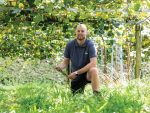
Gypsum is a highly available calcium source that provides immediately available sulphate sulphur, according to Lindsay Head - an independent horticulture consultant.
He says it assists with in-row trafficking or compaction issues, helps the root zone and air-filled porostity of the sub soil. Heard also claims it helps the roots of the vine be at their best.
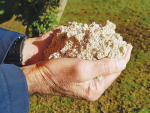
Meanwhile, Winstone Gypsum states that their mineral product is a soil conditioner that will improve soil quality, drainage, aeration and particle size.
It consists of 23.3% calcium and 18% sulphate sulphur calcium, which is said to increase the postharvest conservation of apples and subtropical crops such as kiwifruit. The company says it is also a vital element for fruit quality, cell growth and cell wall rigidity.
"Soil applied calcium sources can augment and substitute the foliar applications traditionaly used in apple orchards, in order to lower production costs - provided there is no water shortage," says Heard.
He says that calcium sulphate di-hydrate is uses as 'clean green' soil conditioner and fertiliser.
"Healthier roots are encouraged by assisting the xylem to pump the calcium which is available up the vine up into the new shoots and fruitlets which are forming," Heard explains.
He says the early uptake of calcium is critical across fruit crops - ensuring the nutrient availability is as strong as is practical with gypsum's use.
"As well as the coupled positive of ensuring no discernible effect on pH makes the material a positive form of calcium input."
Winstone Gypsum says the product is also registered as a certified input under BioGro and claims that it enhances dry matter and storage characteristics - offering benefits to kiwifruit grower's return.
"Getting things right at the start of the crop's development and in the root zone," Heard adds. "Strong green leaf matter will result from the sulphate sulphur, which is available very readily via the use of gypsum."
Nutrient loss from agricultural systems can reduce waterway quality through eutrophication.

Gypsum can at least partially address many hydrological and chemical factors that influence the loss of phosphorus and other nutrients from farms to waterways, says a Canterbury company.



With New Zealand’s greenhouse gas emissions in the spotlight, Auckland scientist Nathan Balasingham says there’s a better way to tackle the problem than shrinking cow numbers or fertiliser usage.

Massey University vice chancellor Pierre Venter says his institute is moving from a period of austerity into a growth phase, based on their new strategy.
With the red meat sector going through a boom time with high prices, the time is right for the industry to step up its investment into developing new food products.
Meat Industry Association chief executive Nick Beeby says there’s now much closer cooperation between meat processing companies than there was many years ago.
A new fruit quality research laboratory has been opened in Auckland by agritech company Hectre to develop pioneering hyperspectral technology.
Farmer lobby Groundswell believes that farmers are worried about the implications of a potential centre-left government.