Major Parties to Debate Farming Policy Ahead of Election
Leading figures from the major political parties will be questioned on their primary sector policies at the Rural Issues Debate at Mystery Creek Events Centre, Hamilton, on 30 September.
 increase font size
 HortNZ chief executive Kate Scott.
Horticulture New Zealand (HortNZ) has released its 2026 election manifesto, outlining priorities to support the sector’s growth, resilience, and contribution to New Zealand’s food security and export revenue.
“The horticulture sector is essential to the health of New Zealanders and contributes significantly to our economy,” says HortNZ chief executive Kate Scott.
“The Ministry for Primary Industries’ latest Situation and Outlook for Primary Industries (SOPI) report forecasts horticulture export revenue will rise five per cent to $9.2 billion in the year to 30 June 2026.
“Together with Government, industry, Māori and science partners, the sector aims to double the farmgate value of horticulture production by 2035.
“To achieve this, we need practical policy settings including strengthening biosecurity and crop protection access, cutting red tape, ensuring sustainable water security, building a skilled workforce, supporting fair grocery markets and investing in critical infrastructure.
“Our growers are committed to meeting environmental and food safety standards, but current regulations are often inefficient.
“Streamlined processes, clear national direction, and recognition of trusted industry standards can reduce compliance burdens while maintaining strong outcomes.
“By backing growers and removing unnecessary barriers, New Zealand can strengthen its food system, support regional growth, and ensure horticulture continues to contribute to wellbeing, regional economies, and export growth.”
Key priorities outlined in the manifesto
“A future-focused horticulture sector underpins New Zealand’s long-term economic goals, from increasing productivity and diversifying exports to building a low-emissions economy with strong international competitiveness,” says Scott.
“With consistent policy, fair markets, secure water and workforce settings, and access to modern tools, horticulture can remain one of New Zealand’s standout sectors.”
Leading figures from the major political parties will be questioned on their primary sector policies at the Rural Issues Debate at Mystery Creek Events Centre, Hamilton, on 30 September.

OPINION: A founding principle of Groundswell NZ is that farmers, and people generally, should be provided with full and accurate information about regulations that directly affect them.
OPINION: Well, the silly season is upon us and all us politicians are running around shaking babies and kissing hands, or maybe the other way around.
As the election heats up, Organics Aotearoa New Zealand (OANZ) has launched its election scorecard designed to help voters wanting to support policies that grow organic and New Zealand's organic sector.
It was billed as a chance for all the political parties to woo the rural vote, but question marks hang over just how effective this was.



Federated Farmers says it welcomes Labour's commitment to reviewing the Sharemilking Agreements Act, calling on other major parties to do the same.
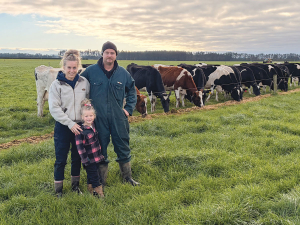
For Canterbury dairy farmers Sian Meijer and Rick Wobben, wearable technology has become one of their most valuable on-farm tools - helping manage 1850 cows across an expansive, high-performing dairy operation while improving efficiency, mating outcomes and day-to-day decision making.
Fonterra has unveiled its annual results for the 2026 financial year, posting $27 billion in revenue and close to $20 billion returned to New Zealand farmer owners and unit holders.
The first major update to the Dairy Cattle Code of Welfare in more than a decade has been released, marking what DairyNZ describes as an important step in ensuring animal welfare standards continue to evolve alongside scientific evidence and on-farm realities.
Ravensdown shareholders have elected Jane Montgomery and Kate Acland to the Ravensdown Board for three-year terms, following a closely contested director election.
Federated Farmers says new legislation replacing the Resource Management Act will cut red tape, unlock investment and help grow New Zealand's export-led economy, after the Planning Bill and Natural Environment Bill passed their third reading in Parliament yesterday.