Mark Hooper Joins NZPork Board as Independent Director
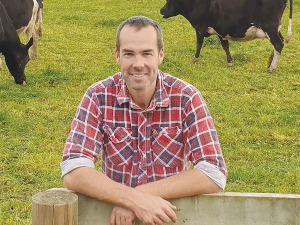
Rural leader Mark Hooper has been appointed as an independent director to the NZPork board, bringing extensive farming, governance and advocacy experience to the role.
 increase font size
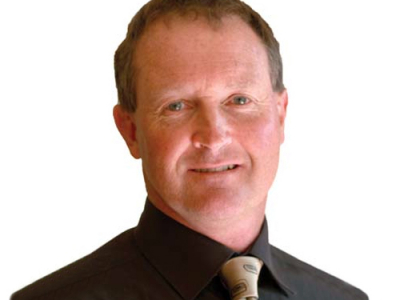 Federated Farmers rural crime portfolio leader Rick Powdrell.
A Federated Farmers survey shows the rural sector is plagued by thieves, rustlers and poachers but not enough farmers are reporting their losses.
Farmers need to get smarter about security, and work more closely with police to deter and catch offenders, Federated Farmers rural crime portfolio leader Rick Powdrell says.
More than 1,000 farmers from all over New Zealand responded to the on-line survey, with 26% saying stock had been stolen from them in the last five years. More than 3% had been hit by stock thieves five times or more since 2011.
Around 35% of respondents suffered theft of stock or farm equipment in the last two years. Common targets included chainsaws, shearing gear, generators and fencing tools. Fuel was stolen from 25%, household items from 8% and, worryingly, nearly 2% said firearms had been taken.
Nearly half of property thefts and 75% of stock rustling/killing were not covered by insurance, and of those that were, 40-50 per cent of farmers did not make a claim - usually because of the excess on the policy.
Powdrell says it is telling - and wrong - that nearly 60% of respondents said they had not reported stock theft to police, and 38% had not reported stolen property.
Common reasons cited included that farmers didn’t think police would be interested, that police resources were too stretched, or that the theft was discovered days or weeks after it happened.
"Police have told us time and again at rural crime workshops they've hosted with Federated Farmers and FMG this year that they want to hear about all offending," Powdrell says.
"It helps the local police build a comprehensive picture of what crime is happening, where and at what time. They can direct their resources accordingly, and it considerably boosts the chances of making arrests, or at the least providing accurate information and warnings distributed via Rural Neighbourhood Support and other networks."
Reported crime also underpins the case for extra police resourcing for rural areas, he says.
The October survey show that farmers are taking deterrence measures themselves (38% have installed sensor lights, 20% have security cameras and 35% had placed their dogs’ kennels by sheds). However, 47% said they did not have locks on sheds.
Some 22% belong to rural support groups and many more say they co-operate with neighbours, including taking down details about unfamiliar vehicles in remote areas.
Powdrell says it is alarming that just on 46% report poaching incidents in the last 12 months. Comments were lodged that it was daunting, even frightening, hearing gunshots at night and/or confronting people with rifles who had no permission to be on their land.
"Farmers should not hesitate to report crime and should regularly review their security measures," Rick says.
"We have to play our part. Police can’t do it on their own. Rural people can’t do it on their own."
Rural leader Mark Hooper has been appointed as an independent director to the NZPork board, bringing extensive farming, governance and advocacy experience to the role.

The terrible floods that hit the Wairarapa may have subsided, but the danger to farmers still exists, according to local Federated Farmers president Rob Hickson.
Will a stronger, more coordinated voice help rebuild confidence and improve returns in the wool sector?
New Zealand's pest problem has reached crisis point, according to Federated Farmers' second National Pests Survey, which shows farmers are spending more money and effort on control — yet pest numbers keep climbing faster than they were two years ago.
Despite political shenanigans in Wellington, farmers are confident that Resource Management Act (RMA) reforms will get over the line in this term of Parliament.



Now in its fourth year, the 2026 Fencing Industry Awards, formed part of the proceedings of the FCANZ Conference, held in Nelson during August.
DairyNZ deputy chair Cameron Henderson has been re-appointed unopposed for another term.
OPINION: The stats speak for themselves.
Farms across the upper North Island are trialling different pasture mixes as part of a research programme that aims to build greater resilience into farming systems.
Election years are always a concerning time for farmers, according to DairyNZ chair Tracy Brown.
The Ballance Farm Environment Awards are coming to the West Coast of the South Island.