Federated Farmers Praises Labour's Emissions Tax Backdown
For the first time in a quarter of a century, Federated Farmers has something positive to say about the Labour Party’s climate change policy leading into a general election.
 increase font size
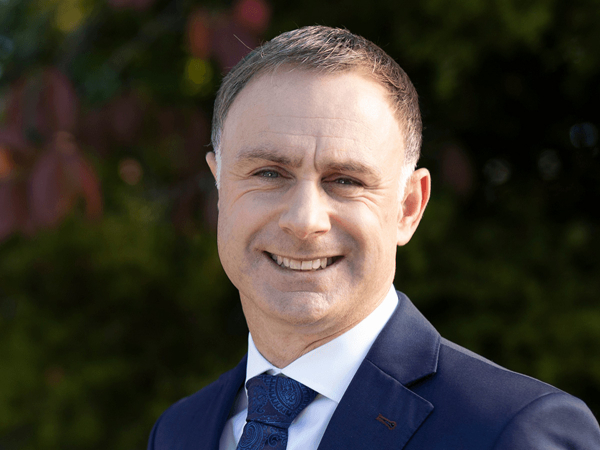 Climate Change Minister Simon Watts.
The Government has launched its new Climate Strategy, which it says is a comprehensive and ambitious plan to reduce the impact of climate change and prepare for its future effects.
Climate Change Minister Simon Watts says the strategy is built on five core pillars, all underscoring the Government's commitment to delivering its climate change goals.
The pillars are:
“Households, businesses, and our economy are already feeling the effects of climate change,” Watts says. “We have seen what severe weather can do to infrastructure and property, and how that disrupts our supply chains and communities.”
“Our Government has committed to meeting our climate change targets - reducing net emissions is one of the nine Government targets to achieve better results from the public service,” he adds.
The Government will soon be consulting on the Emissions Reduction Plan for the period 2026-2030. This will form the basis for the Government's response to reduce New Zealand’s emissions in line with the country’s targets.
“The Emissions Reduction Plan will set out policy proposals across the five pillars and focus on the largest drivers of emissions in New Zealand – energy, transport, agriculture, and waste sectors,” Watts says.
For the first time in a quarter of a century, Federated Farmers has something positive to say about the Labour Party’s climate change policy leading into a general election.
Climate, nature and animal wellbeing make up Fonterra's refreshed sustainability roadmap released last week.
Researchers at Massey University are using a special piece of scientific equipment to improve the measurement of greenhouse gas emissions from pasture soils.
OPINION: Back in April, the Intergovernmental Panel on Climate Change delivered an update that should have triggered an 8.5 magnitude earthquake in the world of climate change policy.
OPINION: City and regional councils have been put on notice - stop using extreme climate forecasting scenarios that can drive unnecessary costs onto ratepayers.


Farmer-owned fertiliser company, Ballance Agri Nutrients is welcoming National’s plan to negotiate security agreements with key supplier countries to protect New Zealand-bound products from export restrictions and greater supply chain certainty.

Carrfields has announced the appointment of Stu Hall to the newly created role of chief operating officer, Carrfields Ltd, reflecting the continued growth of their agribusinesses and the need to ensure the company has the leadership capacity and support in place as it pursues the emerging opportunities ahead.
New Zealand's role is not to compete with Indian growers, according to NZ Apples and Pears.
The potato industry is celebrating the success of two rising stars - James Blair, the 2026 Young Grower of the Year and runner-up and innovation award winner, Amber Davy.
Twenty-eight emerging leaders from across the horticulture sector spent two days last month learning valuable skills and connecting with industry experts.
There are five entrants in this year’s Young Horticulturist of the Year, competing in a series of technical, practical, business and leadership challenges.