
Federated Farmers Welcomes ACT’s New Farming Policies
Federated Farmers has welcomed new rural policies released by ACT, saying they align closely with its own election priorities.
 increase font size
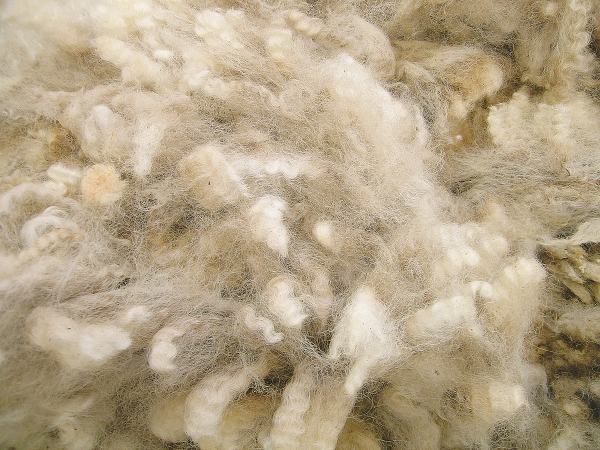 The MOE’s decision to carpet rural schools in foreign made synthetic carpets instead of NZ grown wool has been described as a slap in the face for Kiwi farmers.
The Ministry of Education (MOE) is copping flak over its decision to carpet 800 small and remote rural schools with synthetic tiles rather than wool.
A wide range of disparate groups - including the Green Party, Groundswell, The Campaign for Wool NZ, Federated Farmers and even teachers themselves - have hit out at the ministry for going synthetic.
The MOE claims the synthetic product it is purchasing from an American company is cheaper and can endure heavy use and wear and dirt. It also claims it meets requirements for recycling and carbon footprint goals.
This last statement is widely disputed by critics as are MOE's claims that synthetic products out performs wool.
Federated Farmers Meat & Wool chair Toby Williams says the MOE decision to carpet rural schools in foreign made synthetic carpets instead of NZ grown wool is a slap in the face for Kiwi farmers. He says this decision completely flies in the face of all the Government's rhetoric about improving sustainability, protecting the planet, and phasing out single-use and hard-to-recycle plastics.
"Just the other week, the Government were patting themselves on the back for banning plastic bags, cutlery, straws, and fruit stickers - then they turn around and make a decision like this? It just doesn't add up," Williams says.
"To carpet the average Kiwi home in synthetic carpet is the equivalent of having 22,000 plastic bags on the floor. What do they think happens with all those nylon carpets when people are done with them?
"They go straight to landfill. The Ministry for Education say it chose to go with synthetic carpets because they presented better 'value'. I'd question who for - because it's certainly not the environment or our rural communities."
Williams says it's time for the Government to start backing Kiwi sheep farmers.
"They need to stop carpeting our country in pine trees and start carpeting our classrooms in sustainable products."
Federated Farmers has welcomed new rural policies released by ACT, saying they align closely with its own election priorities.

Federated Farmers is backing Feilding High School’s call to keep Agriculture and Horticultural Science as a standalone subject in Year 11.
National’s pledge to introduce 19 new national standards shows the party is serious about getting Wellington out of farming, Federated Farmers says.
Mobile phone coverage and reliability are deteriorating in rural areas, and farming families are bearing the cost, according to a Federated Farmers survey.
National’s much-touted free trade deal with India featured in the Rural Issues Debate at Mystery Creek, Hamilton on Wednesday night.



Federated Farmers has welcomed new rural policies released by ACT, saying they align closely with its own election priorities.

Rural Contractors NZ says proposed changes to land transport rules for agricultural vehicles are a welcome response by the Government to out of date regulations which have seen members hit with huge fines.
Alliance is calling for final applications for its 2027 Graduate Programme, with applications closing on Sunday 25 October.
Decades piloting planes has ensured vet and farmer David Hayes is focused on safety. So, after a serious accident while welding on farm, he is sharing his experience so others can learn from it.
Canterbury milk processor, Synlait Milk has confirmed Leon Fung as its chief executive officer.
OPINION: Making it easier to collect rainwater and use it to grow crops and livestock is a no brainer.