Case IH Unveils Next Generation Puma Series Tractors
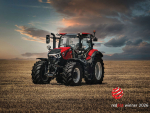
Case IH has unveiled its redesigned next generation Puma Series tractors, said to offer improvements in connectivity, operator comfort, fuel efficiency and drivability.
 increase font size
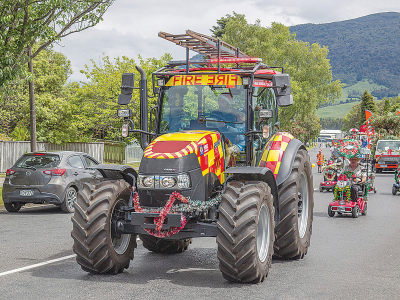
Although it's painted like any fire truck and has flashing lights and a siren, a Case IH Farmall tractor named Kahu isn’t fighting fires.
Instead, its Fire and Emergency New Zealand’s (FENZ) way of starting conversations about fire safety, developing greater resilience, fire prevention and volunteer sustainability in rural industries.
National risk reduction manager Rob Saunders says the tractor signals FENZ’s intention to reduce the risk of fire in rural homes, buildings and vegetation.
“It’s a tool to help engage with the community in a fun and unique way. Kahu has been traveling the country to appear at numerous community events.”
Unveiled at National Fieldays 2018 at the FENZ site, the tractor got a great response from children and adults alike. The site also had a burnt-out tractor, and the two machines led to discussions about maintenance, spotting bird nests and accessibility and water availability for firefighters.
Kahu was at lots of events last year including the Poverty Bay A&P show in Gisborne, Omokoroa School where it was used to help educate children about fire safety, and Turangi for the annual Christmas parade.
Case IH has unveiled its redesigned next generation Puma Series tractors, said to offer improvements in connectivity, operator comfort, fuel efficiency and drivability.
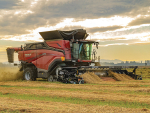
While it took some time for Wakanui farmer Eric Watson to get the tracks dirty on his new Case IH AF10 combine, he says it was worth the wait, with the challenging conditions really putting the new machine through its paces.
While equipment sales teams bask in the glory when they sell a product, they often forget the designers and engineers who bring that product from an idea to production.
The Case IH Farmall C, well known across New Zealand, has just seen an upgrade including a new look, increased weight and hydraulic power, and a cab overhaul.
Case IH has released details of its all-new round balers and redesigns to its large square balers aimed at increasing productivity.

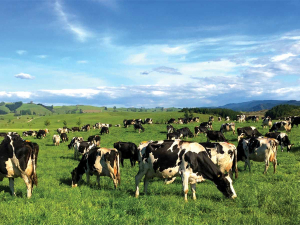
Most dairy regions around the country have had a pretty good season so far says Tracy Brown.
Rural leader Mark Hooper has been appointed as an independent director to the NZPork board, bringing extensive farming, governance and advocacy experience to the role.
Opportunity says its land value tax (LVT) is unlikely to force farmers into a position where asset sales or increased debt are required.
Milk powder prices are keeping farmgate prices up, helping processors offset the dip in milk fat prices.
Climate, nature and animal wellbeing make up Fonterra's refreshed sustainability roadmap released last week.
The Government is introducing a new nationwide rural recycling scheme that will significantly increase the recovery of farm plastics from March next year, Minister for the Environment Nicola Grigg announced today.