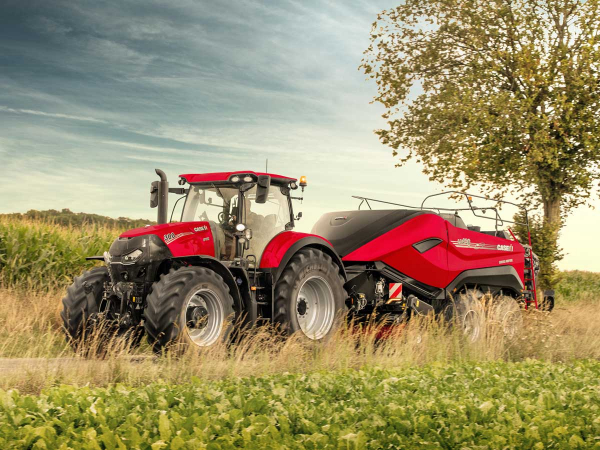
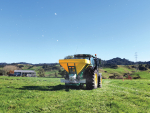
Farm machinery merchandiser Case IH says it has kept the wheels rolling on farms – despite formidable logistical challenges during the lockdown.
CKNZ general manager, Tim Fanning, said its Case IH operation in New Zealand had good stock levels to cover short-medium term requirements, despite significant supply chain disruption globally.
The company was working on the basis that it was collectively an essential business due to meeting the requirements under the Primary Industry category. The Tractor and Machinery Association of New Zealand (TAMA) had also taken this position.
Fanning said the Case IH dealer network was operating at reduced capacity, but had approval from the Ministry for Primary Industries to provide essential services, strictly for “the purposes of keeping a farmer’s or grower’s machinery running for food production or animal welfare, or to protect a farmer’s ability to perform any other task deemed to be essential by the NZ Government”.
The company’s focus had shifted to supporting existing equipment working in the field and on critical parts supply to minimise any machine downtime, Fanning said.
Case IH had the largest holding of spare parts in the country with its Palmerston-based national depot (shared with sister brand New Holland). However, air freight on urgent parts from overseas was obvious issue across the industry.
Fanning said depreciation of the Kiwi dollar would have an impact on the cost of importing tractors and equipment. However, his company had secured strong forward cover contracts. These would effectively insulate against price increase for the balance of year, he said.