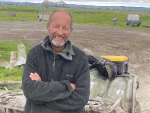
Mark Cameron Steps Down, Reflects on Farmers' Voice
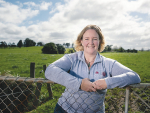
When Northland farmer Mark Cameron entered parliament six years ago, the Beehive was a lonely place.
 increase font size
OPINION: The Hound was astounded at the glib response from Greens leader James Shaw to a written parliamentary question from ACT MP Mark Cameron.
Shaw was asked if he was surprised that farmer confidence was at a record low in the latest Farm Confidence Survey and if he believed one of the top concerns of farmer respondents was "regulation and compliance costs - a catch-all for the wave of reform, regulation, red tape and costs swamping the sector?"
Shaw replied: "The agriculture sector contributes 50% of New Zealand's gross emissions. Approximately 94% of our nitrous oxide emissions and around 91% of our biogenic methane emissions are from agriculture."
Cameron actually thought Shaw's office had mistakenly submitted the wrong answer, but they clarified it is exactly what the Climate Change Minister intended to say.
When Northland farmer Mark Cameron entered parliament six years ago, the Beehive was a lonely place.

OPINION: The same mainstream media muppets that brought you Jacindamania in 2017 have been flat out pimping for the Opportunities Party, labelled by some as the 'LinkedIn Greens' for their corporate spin on Green-esque 'tax the rich' policies.
OPINION: Your old mate reckons the atrocious way farmers in the UK are treated by their lords and masters in Westminster is a salient warning for us.
OPINION: Proponents of regenerative agriculture tend to be naturally aligned with a 'green mindset', so they will be nonplussed with their new mates in the US of A.
OPINION: Mike Chapman, former chief executive of levy-funded HortNZ, has thrown out a challenge to farmers and growers to put their levy-funded industry organisations under the same scrutiny as fertiliser, electricity, labour and freight.


Federated Farmers has welcomed new rural policies released by ACT, saying they align closely with its own election priorities.
Rural Contractors NZ says proposed changes to land transport rules for agricultural vehicles are a welcome response by the Government to out of date regulations which have seen members hit with huge fines.
Alliance is calling for final applications for its 2027 Graduate Programme, with applications closing on Sunday 25 October.
Decades piloting planes has ensured vet and farmer David Hayes is focused on safety. So, after a serious accident while welding on farm, he is sharing his experience so others can learn from it.
Canterbury milk processor, Synlait Milk has confirmed Leon Fung as its chief executive officer.
OPINION: Making it easier to collect rainwater and use it to grow crops and livestock is a no brainer.