
Suzuki Launches Jimny Horizon
Suzuki New Zealand has announced the arrival of the latest version of its Jimny SUV, the Horizon special edition, a one-off for the local New Zealand market.
 increase font size
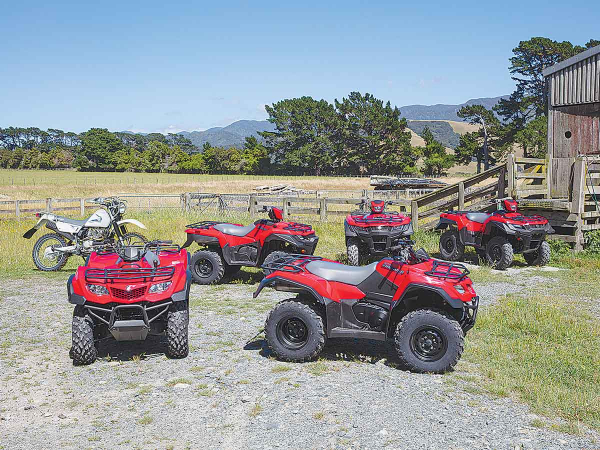 Suzuki’s KingQuad ATV range was extensively tested and refined for New Zealand farms.
The farming sector is very important to Suzuki, says the company.
In fact, it was right here on a New Zealand farm that the Coleman family and Suzuki created the first ever 4-wheel ATV.
Suzuki branded ATVs are recognised for their ruggedness and reliability, and their ability to handle the demanding conditions of New Zealand’s high-country farms.
Suzuki says its motorcycle and ATV dealer network operates across the country, with sales and service representation available almost anywhere in the country you may be.
Suzuki’s ATV range includes the KingQuad 400, which was extensively tested and refined on New Zealand farms and is equipped with an economical fuel-injected 376cc motor.
A step up to the KingQuad 500 range delivers extra power and towing capacity along with a simple, low maintenance automatic transmission and optional power steering.
Top of the range is the mighty KingQuad750, which features a sealed and water proof LCD digital instrumentation including speedometer, odometer, trip meter, clock and fuel gauge.
With long travel anti-roll suspension, independent rear end and a low centre of gravity, the KingQuad provides power and strength, and combines all-day comfort with a stable ride.
In addition to the ATV range, Suzuki markets the top-selling two-wheel farm bike, the DR200SE Trojan. This variant was designed in New Zealand, for New Zealand farms.
Being one of the few made in Japan farm bikes on the market, the Trojan enjoys an unmatched reputation for reliability and durability, along with low initial cost and miserly running costs.
In tune with the times, Suzuki offers a “shop from home” facility on its website, www.suzuki.co.nz
Farmers have the ability to contact dealers, book test rides, and obtain finance quotes and applications, without having to leave the farm. In this way, the brand says it truly brings the field fays to the farms.
Suzuki New Zealand has announced the arrival of the latest version of its Jimny SUV, the Horizon special edition, a one-off for the local New Zealand market.

Last month's National Fieldays was an important event for Canadian manufacturer Can-Am, as it unveiled its first electric ATV, the Outlander, adding extra option to the new Defender HD11 and Defender MAX HD11 line-up.
While quads and LUVs are a major part of the rural landscape, on many New Zealand dairy farms 2-wheelers continue to be an important part of the logistics puzzle.
It's hard to believe that quad bikes or ATVs have been around for about 50 years – even longer if you add in the balloon-tyred trikes that first appeared in the Bond movie Moonraker.
When you compare a RAM 1500 or Chevrolet Silverado to a Ford Ranger or a Toyota Hilux, you will understand why we need the designations truck and ute.


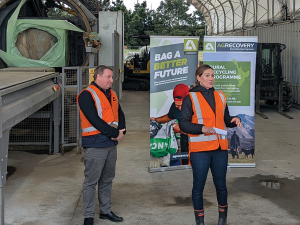
Environment Minister Nicola Grigg has announced details of a new rural plastics recycling scheme.
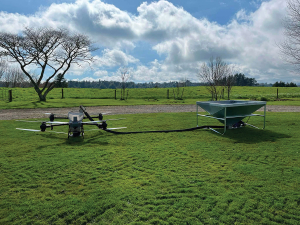
Agricultural drone operators say that a government decision to allow lower-risk drone work without certification won’t lower standards but drive innovation and efficiency.
OPINION: Warning bells are ringing in the arable sector.
Farmgate lamb prices are down by 8%, beef cattle by 4.5% and farm expenditure up by 4.2%.
Kiwifruit growers are watchful but remain optimistic as concerns around the potential effects of the El Niño weather pattern this season.
Almond hulls sourced from Australian orchards may have the potential to help New Zealand cows reduce emissions, boost milk yield and lower input costs.
