Early Weaning Lambs: What the Massey Trials Found
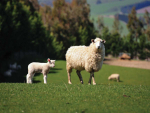
Farmers with high-quality feed available in late spring could consider weaning at least a proportion of their lamb crop early to benefit both lambs and ewes.
 increase font size
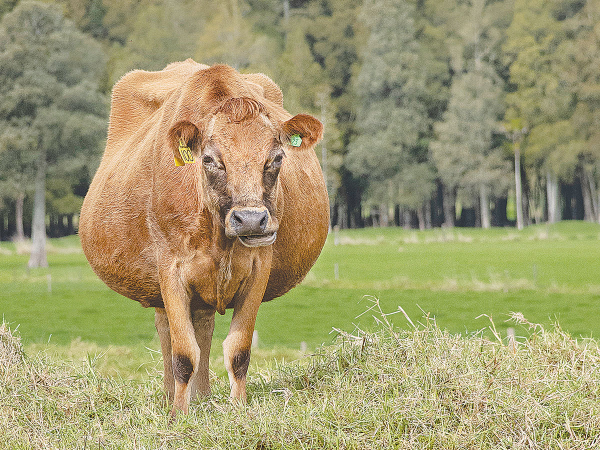 Providing the right environment for calving gives the best outcome for calves and dams.
Planning to calve in the right conditions is essential for cow and calf health. Avoid calving in muddy conditions to decrease the risk of death and infections for both the cow and the calf.
Grouping cows by calving date and removing them from crop paddocks well before calving will help protect cow and calf welfare. Remove animals from intensively grazed winter paddocks at least two weeks before their expected calving date.
If a calf is born on crop, promptly collect and remove the calf and cow to a drier area. Know what you will do with a slip or early calver (include actions to take for cow and calf).
Providing the right environment for calving gives the best outcome for calves and dams.
Timed pregnancy diagnosis allows you to be well organised by identifying the animals closest to calving to move to the springer/calving area. Talk to your vet about dating pregnancies at scanning.
Be careful in mobs fed fodder beet or high yielding swedes, as bagging, or springing up, is limited in cows on low-protein feeds. If feeding fodder beet, detail how you observe springing udders since cows might not bag up as much.
When designing your plan, consider the welfare of your cows and any potential environmental impact. Remember to factor in cold stress as it can have a greater impact on cows with low body condition score.
If a cow is clean and dry and there is little wind or rain, cold stress is rare until temperatures fall below -10°C.
The factors that increase the risk of cold stress are:
Key Takeaways
Article - DairyNZ
Farmers with high-quality feed available in late spring could consider weaning at least a proportion of their lamb crop early to benefit both lambs and ewes.
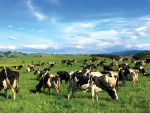
The first major update to the Dairy Cattle Code of Welfare in more than a decade has been released, marking what DairyNZ describes as an important step in ensuring animal welfare standards continue to evolve alongside scientific evidence and on-farm realities.
Bovine Viral Diarrhoea (BVD) is sometimes viewed as a dairy industry issue, but the reality is that the disease can have serious consequences for beef breeding herds as well.
Animal health company Bovonic is gearing up for its next stage of growth after increasing New Zealand sales of QuadSense by more than 50% in the last 12 months, including a record quarter for the business this year.
With lambing underway in many regions, Beef + Lamb New Zealand is encouraging farmers to put together a wellequipped lambing kit to help minimise lamb losses, particularly in bad weather.


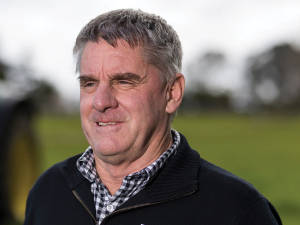
Federated Farmers has welcomed new rural policies released by ACT, saying they align closely with its own election priorities.

Rural Contractors NZ says proposed changes to land transport rules for agricultural vehicles are a welcome response by the Government to out of date regulations which have seen members hit with huge fines.
Alliance is calling for final applications for its 2027 Graduate Programme, with applications closing on Sunday 25 October.
Decades piloting planes has ensured vet and farmer David Hayes is focused on safety. So, after a serious accident while welding on farm, he is sharing his experience so others can learn from it.
Canterbury milk processor, Synlait Milk has confirmed Leon Fung as its chief executive officer.
OPINION: Making it easier to collect rainwater and use it to grow crops and livestock is a no brainer.