Massey Uses Portable Analyser to Measure Pasture Soil GHGs
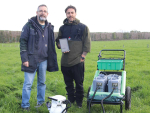
Researchers at Massey University are using a special piece of scientific equipment to improve the measurement of greenhouse gas emissions from pasture soils.
 increase font size
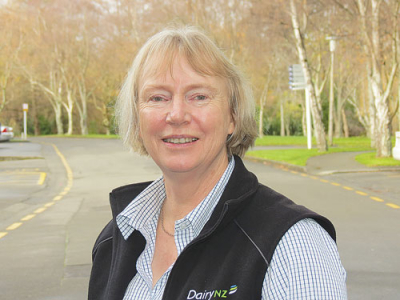 Nita Harding.
Early results from a Massey University study show animal vaccinations are effective in preventing leptospirosis shedding in NZ dairy cattle, reducing exposure to humans.
But the results also reinforce the importance of using other prevention measures, explains DairyNZ veterinarian Nita Harding.
Massey University last year investigated the use and effectiveness of lepto vaccines in New Zealand dairy herds, testing 20 cows in each of 200 herds across the country.
In 147 herds none of the cows tested were shedding lepto in their urine; in the remaining 53 herds at least one cow tested was shedding; and in 10 herds between two and six cows were shedding.
Which strains are causing problems?
Cattle can be infected by up to six lepto strains, but the two most common in NZ are Hardjobovis and Pomona. These strains are included in the vaccines used for controlling lepto in dairy herds. Neither strain was significantly associated with shedding, which tells us vaccination against these strains is working.
Two strains of lepto that aren’t included in the vaccines are Ballum and Tarassovi. And you guessed it, evidence of these strains was found in the cows tested (3.4% and 17.1% respectively.)
We know Ballum is not associated with urine shedding but Tarassovi is. That indicates an increasing number of lepto cases in people working on dairy farms are probably due to the Tarassovi strain.
Tarassovi isn’t covered by the current vaccines because it wasn’t a common problem when the vaccines were first developed at least 30 years ago. Pharmaceutical companies are looking at developing a vaccine for Tarassovi, but this will take some years.
The study results are now being further analysed. In the meantime, we can confirm that vaccination does prevent cattle shedding the strains of lepto included in the vaccines. But minimising risk to human health also requires other precautions (see below) which are especially important in light of Tarassovi’s growing prevalence.
Recommended precautions for dairy farmers
1. Vaccinate your animals: seek vet advice to ensure the timing of vaccination is correct for each class of stock.
2. Control rodents and wildlife: seek advice on baiting and trapping, and vermin-proofing buildings and feed stores.
3. Minimise contact with animal urine through:
- personal hygiene – hand washing, no smoking/eating/drinking in the shed
- personal protective equipment (PPE) – aprons, gloves, boots
- keeping wounds covered
- being aware of other risk activities onfarm, such as effluent spraying, assisting with calving, home-killing and hunting.
4. Be aware: remember that people can be exposed to lepto onfarm even when they’re not working, e.g. kids playing in puddles.
5. If you have flu-like symptoms, seek medical help early and mention lepto to your doctor.
Note: research has shown that shortening tails does not reduce the transmission of lepto, so it is recommended that all farmers follow these precautions above.
This research was overseen by the Farmer Leptospirosis Action Group (FLAG), which includes representatives from DairyNZ, Massey University, the NZ Veterinary Association and Rural Women NZ. Funding was provided by the Government and AgMardt, industry and stakeholder groups.
• This article was originally published in Inside Dairy August 2017.
Researchers at Massey University are using a special piece of scientific equipment to improve the measurement of greenhouse gas emissions from pasture soils.

Interest in agritech and production animal systems has prompted Massey University's School of Agriculture and the Environment to new majors to its popular animal science degree.
The industry is crying out for graduates with agricultural related degrees.
A four year trial has reaffirmed that mixing plantain into dairy pastures can help reduce nitrogen losses to freshwater while maintaining milk production and profitability, say researchers.
Special courses for secondary school teachers to help excite kids about agriculture and horticulture are now being run at Massey University.



LIC shareholders have elected a new North Island representative to the co-operative's Board, along with five representatives to its Shareholder Reference Group (SRG), following the company's Annual Meeting held in Invercargill.
Farmers across parts of Southland and South Otago are continuing to deal with difficult conditions after a prolonged run of wet weather, with pressure building around feed supply, stock management, pasture damage, farm infrastructure and everyday workloads.
Federated Farmers says it welcomes Labour's commitment to reviewing the Sharemilking Agreements Act, calling on other major parties to do the same.
For Canterbury dairy farmers Sian Meijer and Rick Wobben, wearable technology has become one of their most valuable on-farm tools - helping manage 1850 cows across an expansive, high-performing dairy operation while improving efficiency, mating outcomes and day-to-day decision making.
Fonterra has unveiled its annual results for the 2026 financial year, posting $27 billion in revenue and close to $20 billion returned to New Zealand farmer owners and unit holders.
The first major update to the Dairy Cattle Code of Welfare in more than a decade has been released, marking what DairyNZ describes as an important step in ensuring animal welfare standards continue to evolve alongside scientific evidence and on-farm realities.