Understanding udder health
Last month we talked about why dry cow management is critical, though often overlooked. This month I wanted to dive further into the dry period’s importance to udder health.
 increase font size

A NEW farm management tool for veterinarians will better enable them to monitor and improve udder health in dairy cattle.
ExpertisUdder Health, from Merck Animal Health, was unveiled last week in Holland at an international conference on udder health. This is a computer-assisted, structured approach to such disease, allowing vets and farmers to more easily find the causes of mastitis.
Four steps are involved.
A farm intake questionnaire sets goals, puts the farmer in a central position and allows for his/her objectives.
The data are analyzed, identifying areas for improvement. These result in fact sheets, i.e. a check list of risk factors for mastitis; and the information is synthesised into an automatic summary of the actual situation and the udder health objectives. The form contains space for tailored advice to the particular farmer.
“The structured approach offered by Expertis Udder Health takes into account that mastitis is a multifactorial disease and covers all aspects that influence udder health. To save time, the analysis ensures that the focus is on the most important issues, which can differ greatly from farm to farm. The existing services provided within this tool can be used to optimize udder health on the farm,” the company says.
Merck Animal Health global director dairy cattle Rinse Jan Boersma says Expertis has been developed to support veterinarians and farmers by improving its service level as well as to contribute to good veterinary practices by implementing preventive measures and prudent use of antibiotics.”
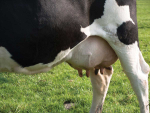
Mastitis is an inflammatory reaction of udder tissue mainly due to bacterial infection. Symptoms of clinical mastitis include the typical signs of udder inflammation (redness, swelling, heat and pain), changes in milk composition and appearance (flakes, clots, watery composition) and a lower milk yield. In more severe cases, the cow can be sick as well. Mastitis can also be subclinical and then the diagnosis is made if more than 200.000 somatic cells per mL of milk are counted.
As a consequence of the reduced milk production, discarded milk, veterinary and treatment costs and extra labor costs, mastitis is considered the most important cause of economic loss for dairy operations. Recent data from Sweden indicate an average economic loss of $480 per case of clinical mastitis and of $103 per case of sub-clinical mastitis.
Last month we talked about why dry cow management is critical, though often overlooked. This month I wanted to dive further into the dry period’s importance to udder health.
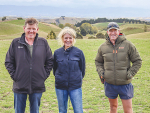
Females are dominating the veterinary profession worldwide and many farmers are welcoming this change in the composition of the profession, says Britain's Chief Veterinary Officer (CVO) Professor Christine Middlemiss.
Maximising milking efficiency need not compromise animal health. In fact, many improvements to milking efficiency also help to improve udder health and milk quality.
Proactive farming and a stringent plan is credited for minimising the impact of the industry-wide ban on routine inductions which came into effect this season, says Canterbury veterinarian Bernice Mangnall.
Lincoln University have appointed veterinarian and Lincoln alumna Dr Teresa Moore as their new director of farms.


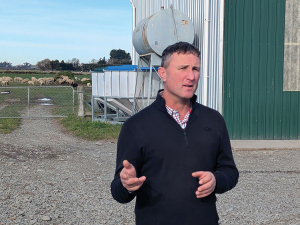
Improving health and safety is about incremental gain rather than a sudden decision, says Leeston farmer and Federated Farmers health and safety spokesman David Birkett.
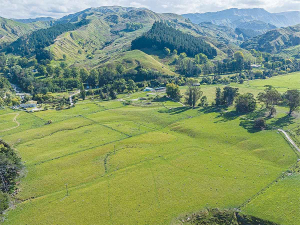
OPINION: Alistair Carmichael raises some interesting questions about striking a balance between profitability in farming and preserving the character of rural communities.
Ploughing champions Mark Dillon and Malcolm Taylor earned the right to represent the country at the World Ploughing Championships in Osijek, Croatia, on 5 and 6 September, after winning their titles at the New Zealand Ploughing Championships in Middlemarch in 2025.
The man appointed to lead Gallagher's global Animal Management business through the next stage of growth believes the wearables boom is here.
Horowhenua organic dairy farmers Ange and Wayne Moxham have taken their business to a new level.
Federated Farmers' new vice president Sandra Faulkner says the issue of adverse events emergency management and infrastructure needs to be taken out of the three-year political cycle.