Watch out for ash
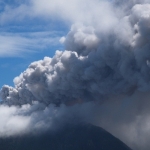
Dairy farmers affected by the Mount Tongariro eruption are encouraged to keep an eye on their stock, advises DairyNZ.
 increase font size

While few dairy farms have currently been affected by the Tongariro eruption, DairyNZ wants farmers to be aware of the hazard to animals from ash.
Hungry animals grazing short pastures are particularly at risk.
Fluorine is the most toxic and is present in many volcano eruptions. It attaches to the ash and can travel with the wind to farmlands around the volcano.
However rainfall will quickly help reduce the risk as the fluoride in ash is quite soluble.
DairyNZ says any dairy farmers concerned about their animals should:
• Feed good quality feed supplement that has been covered
• Shift animals to long pasture and graze at a low stocking density
• Provide plenty of uncontaminated water
• If conditions are particularly severe consider shifting animals out of the region
Current weather conditions mean that the ash from the eruption is moving eastwards with key regions being the Bay of Plenty and Hawkes Bay. The ash is forecast to move over land out to sea by 6pm this evening.
It is important to keep up to date with information from Civil Defence, particularly via local radio.
If you have any further concerns or need extra advice, please call us on 0800 4 DairyNZ (0800 4 324 7969).
Dairy farmers affected by the Mount Tongariro eruption are encouraged to keep an eye on their stock, advises DairyNZ.
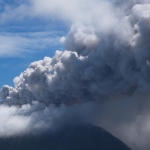
There are no reports at this stage of stock being affected by yesterday's Tongariro eruption, and there is no indication that it has had any animal welfare effects.
MASSEY UNIVERSITY researchers say ash from the Mt Tongariro eruption last week poses no great threat to human health or farming.

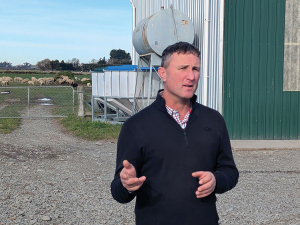
Improving health and safety is about incremental gain rather than a sudden decision, says Leeston farmer and Federated Farmers health and safety spokesman David Birkett.
OPINION: Alistair Carmichael raises some interesting questions about striking a balance between profitability in farming and preserving the character of rural communities.
Ploughing champions Mark Dillon and Malcolm Taylor earned the right to represent the country at the World Ploughing Championships in Osijek, Croatia, on 5 and 6 September, after winning their titles at the New Zealand Ploughing Championships in Middlemarch in 2025.
The man appointed to lead Gallagher's global Animal Management business through the next stage of growth believes the wearables boom is here.
Horowhenua organic dairy farmers Ange and Wayne Moxham have taken their business to a new level.
Federated Farmers' new vice president Sandra Faulkner says the issue of adverse events emergency management and infrastructure needs to be taken out of the three-year political cycle.