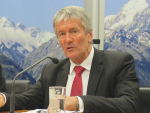
Damien O’Connor Criticises Budget 2026 as ‘Miserable’ for Rural New Zealand
A miserable budget that didn’t deliver much for anyone.
 increase font size
 Agriculture Minister Damien O'Connor.
The Government says it will take time to carefully consider the report from the He Waka Eke Noa partnership.
Agriculture Minister Damien O'Connor says advice from the Climate Change Commission will be sought on the proposals.
He thanked HWEN partners for their work, which has been under way since the Government, farming leaders and Māori agreed to a world-first partnership to reduce primary sector emissions in 2019.
"The sector and the wider public will have the opportunity to provide their view before Cabinet makes final decisions towards the end of the year on how to effectively price emissions," O'Connor says.
"We are all committed to pricing agricultural emissions to ensure their reduction from 2025, and reiterate that commitment today.
"It's really important that we get this right. Customers around the world are demanding higher levels of sustainability in the products they buy, so there is the potential for real competitive advantage here if we can get this right and continue moving to sustainable farming systems that are ready to respond to a warming world."
O'Connor says the Government committed almost $380 million over four years in Budget 2022 to accelerate efforts to lower agricultural emissions.
"It sees us establishing the new Centre for Climate Action on Agricultural Emissions as a joint venture with business to accelerate the product development of tools for farmers to reduce emissions.
"We're also developing specialised climate-focused extension services and expanding our support for Māori agribusinesses," O'Connor says.
Climate Change Minister James Shaw says the agriculture sector has a crucial role to play in meeting the recently set emissions budgets.
"We need to urgently cut emissions across all sectors of the economy - and that includes agriculture."
A miserable budget that didn’t deliver much for anyone.
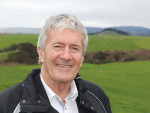
National's decision to ‘dribble’ information about the NZ/India to Labour contributed to the delay in it deciding to supported the FTA.
When it comes to international trade, politicians from all sides of the aisle are united, says Labour's trade spokesman Damien O'Connor.
New DairyNZ chair Tracy Brown says bipartisan agreement among political parties on emissions pricing and freshwater regulations would greatly help farmers.
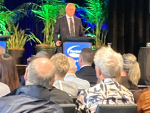
First up to the podium at the recent Tractor and Machinery Association (TAMA) Conference in Wellington, Minster for Agriculture, Todd McClay, reflected on a difficult 12 months, but hinted at signs that things were turning the corner, saying “when ag does well, New Zealand does well”.

Halter has launched Mav, an AI farming assistant that lets dairy farmers ask questions about their herd and pasture and get answers drawn from the data the company’s collars already collect.
OPINION: At first glance it appears that Father Christmas has delivered the rural sector good tidings, with most pundits predicting the return of the centre-right coalition.
For 15 years, Glenda Rees has travelled from Gore to Awarua, often several times a week, to keep watch over one of the country’s rarest birds.
With some farmers opposing a government-industry partnership set up to develop methane reducing products, one NZ company claims that it already has a product on the market.
During the nesting season, from September to December, industrious starlings can quickly build nests in the darker areas behind tractor and vehicle, usually close to hot engines, typically resulting in localised damage or in some cases complete write-offs.
The meat processing industry is much more collegial than it was in the past and is now more focused on common goals.