Fonterra FY26 Results: $9.69 Milk Price, $3.4bn Profit
Fonterra has unveiled its annual results for the 2026 financial year, posting $27 billion in revenue and close to $20 billion returned to New Zealand farmer owners and unit holders.
 increase font size
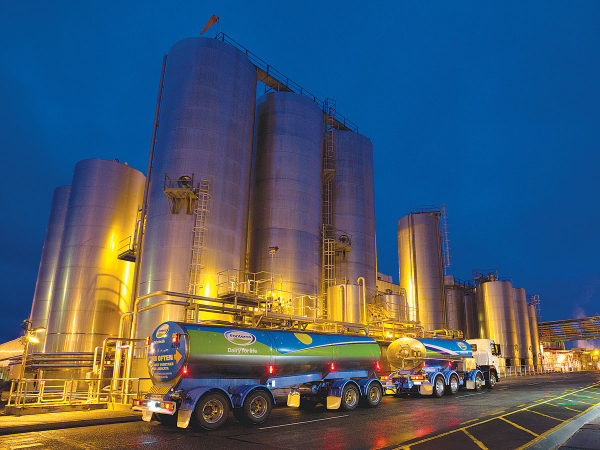 Dairy Workers Union general secretary Chris Flatt fears some factory workers may be lost to the industry because of their anti-vaccination stance.
The dairy industry is facing the prospect of losing some highly skilled staff because they are not fully vaccinated.
Dairy companies around the country are individually going through a risk assessment process and consulting staff on whether or not to mandate vaccinations for staff.
Dairy Workers Union national secretary Chris Flatt told Dairy News he fears that some workers may be lost to the industry because of their anti-vaccination stance.
The union represents 8,500 workers in the industry and Flatt says the key focus of the union is about people's health and safety when they go to work.
He says, like the rest of society, there are conflicting views within the dairy industry workforce on the issues of vaccination.
"What we have heard is that the majority of our members support vaccination. They want to be safe at work and have received double vaccination. But there are those within our union, like in wider society, who don't agree with that and we are trying to support them as well," he says.
Flatt says his union has been heavily involved in the consultation processes on risk assessments with those companies they have collective agreements with. There is only one they don't have an agreement with. He says the process has been fair and they feel thir concerns have been listened to.
He notes that while they may not agree with everything, they accept the fact that companies have the right in law to put in place a vaccination mandate for their staff.
The union has the challenging task of supporting both those who are vaccinated and those who are not. In the case of the latter, Flatt says they are working with these people to see if they can get a vaccination or possibly an exemption, which some companies are offering in certain circumstances - particularly on medical grounds.
"But we also have members who tell us they want to turn up to work and be safe at work and not be around, potentially, those that could spread the virus," he says.
Flatt says there are some tough conversations still to be had before companies make a final decision on how to manage their respective risks around the highly-transmissable Omicron variant. Talks are ongoing in this respect and while it appears that most will mandate vaccinations, Dairy News is aware that at least one company will not,k because of low vaccination rates in its milk catchment area.
Fonterra has unveiled its annual results for the 2026 financial year, posting $27 billion in revenue and close to $20 billion returned to New Zealand farmer owners and unit holders.
Fonterra Co-operative Group has confirmed the independently assessed candidates standing for election to its board in 2026.
Fonterra has revised its Farmgate Milk Price forecast for the 2026/27 season, lifting the midpoint and narrowing the range on the back of improving global dairy commodity prices.
Outgoing Fonterra Co-operative Council chair John Stevenson says that it has been a privilege to represent the co-op's farmer shareholders.
OPINION: It seems Canterbury processor Synlait is still in the doldrums.


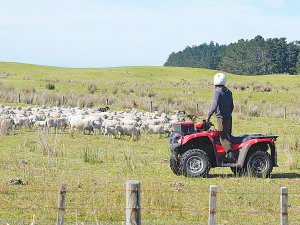
Farmers across parts of Southland and South Otago are continuing to deal with difficult conditions after a prolonged run of wet weather, with pressure building around feed supply, stock management, pasture damage, farm infrastructure and everyday workloads.
Federated Farmers says it welcomes Labour's commitment to reviewing the Sharemilking Agreements Act, calling on other major parties to do the same.
For Canterbury dairy farmers Sian Meijer and Rick Wobben, wearable technology has become one of their most valuable on-farm tools - helping manage 1850 cows across an expansive, high-performing dairy operation while improving efficiency, mating outcomes and day-to-day decision making.
Fonterra has unveiled its annual results for the 2026 financial year, posting $27 billion in revenue and close to $20 billion returned to New Zealand farmer owners and unit holders.
The first major update to the Dairy Cattle Code of Welfare in more than a decade has been released, marking what DairyNZ describes as an important step in ensuring animal welfare standards continue to evolve alongside scientific evidence and on-farm realities.
Ravensdown shareholders have elected Jane Montgomery and Kate Acland to the Ravensdown Board for three-year terms, following a closely contested director election.