Pāmu and Meet the Need Launch Mince Recipe Cards for Food Banks
A partnership between state-owned enterprise Pāmu (Landcorp Farming Limited) and charity Meet the Need is putting more than quality New Zealand beef into food bank parcels this year.




 increase font size
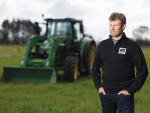
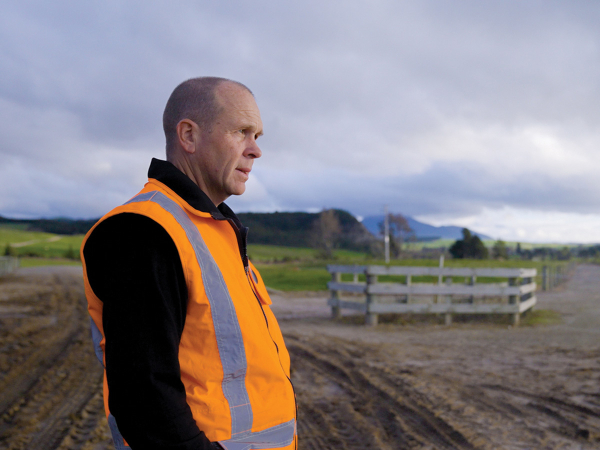 Pamu chief executive Mark Leslie.
OPINION: Nearly half of New Zealand's four million dairy calves are processed early, representing not just a missed $1.2 billion opportunity, but a reputational risk for our export-driven agricultural sector.
As highlighted in Rabobank's recent report, The Strategic Moment for Dairy-beef in New Zealand, unlocking the value of surplus dairy calves presents a strategic opportunity to reshape farming systems, improve profitability, and meet evolving market demands.
For more than three years, Pāmu has been developing a strategic approach to dairy beef, the practice of rearing surplus dairy calves for beef production. We are doing this by combining genetic innovation with practical finishing capability. This season, Pāmu is rearing 73% of calves born to its dairy herds, up from 49% in FY23 and with the target of 85% by FY28.
These gains are not just numbers: they reflect a broader shift in how we think about calf value and farming system integration.
Through our work, we've gained valuable insights into genetics, large scale calf rearing, achieving liveweight gains from 100 to 200kg over the first summer, and once-bred heifer systems. While our connected systems give us an advantage in implementing these ideas, the lessons learned are being shared widely for the benefit of all farmers.
The new crossbred dairy-beef offering Synergizer announced last month, being developed through a partnership between Pāmu, LIC, and Focus Genetics, represents a bold step forward in transforming dairy beef farming. The white calves, landed this spring, bring together the very best of Stabilizer and Charolais genetics, with our breeding programme focused on key traits including short gestation, ease of calving and rearing, strong liveweight gain and meat eating quality.
Balancing the needs of dairy farmers, calf rearers, beef finishers, and processors, with world-class science, rigorous testing, and a shared commitment to excellence, Synergizer is designed to deliver a solution that is profitable, scalable, and future-fit.
This aligns with recommendations in the Rabobank report suggesting that farm system changes are needed to successfully harness dairy beef. Strategic use of superior beef genetics, artificial insemination, and optimised calving and improved growth rates to achieve early slaughter, will enhance outcomes across the value chain without totally overhauling the dairy herd.
The Rabobank report highlights that calf-rearing is an area of risk in the value chain, and to improve rearing rates and avoid boom-bust cycles, calf rearers need better long-term pricing mechanisms that provide the confidence to invest in infrastructure support.
We know the challenges facing the agricultural sector: price volatility, environmental pressures, global consumer trends, and the need for greater efficiency. Our dairy beef strategy centres on this, genetic innovation, infrastructure investments and technology advancements. This includes purpose-built calf-rearing facilities near Taupō, and in the Manawatu, along with converted woolsheds to rear calves on our West Coast farms, which are showing less than three-year payback periods.
Supported by real-time data from platforms like FarmIQ, and wearable technology, we are seeing improved carcass weights and conception rates. Environmentally AgResearch work has shown fast-finishing systems with dairy-beef animals resulted in a carbon footprint that is 32%-48% lower than the average for traditional beef systems in New Zealand.
What we know from our experience is cross-sector collaboration is essential to unlock the full potential of dairy beef and ensure sustainable growth.
Building on this foundation, our integrated dairy beef approach offers a scalable blueprint for New Zealand's pastoral sector. To farmers looking for confidence in their dairy-beef systems, Synergizer offers a new way forward. By working together across the sector, we can unlock the full potential of dairy beef and build a more resilient, profitable, and sustainable future for New Zealand agriculture.
Mark Leslie is chief executive of Pāmu, which is the brand name for Landcorp Farming Limited, a state-owned enterprise that operates more than 100 farms across Aotearoa New Zealand.
A partnership between state-owned enterprise Pāmu (Landcorp Farming Limited) and charity Meet the Need is putting more than quality New Zealand beef into food bank parcels this year.

State farmer Pamu has delivered its strongest operating result on record.
Beef+Lamb New Zealand and the Ag Emissions Centre have launched a new research project aimed at helping beef farmers reduce methane emissions without impacting productivity or profitability.
State farmer Pāmu is opening its farm gates this summer in an effort to give the rural sector the opportunity to see how large-scale, multi-system farming is delivering productivity and profitability across New Zealand.
Bank of New Zealand (BNZ) and Pāmu (Landcorp Farming Limited) have developed a new way for landowners to earn revenue from existing native forests.

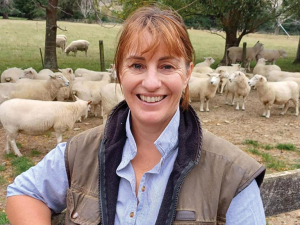
B+LNZ's Wormwise veterinarian Mary Bowron has won the Best Sheep and Beef Vet of the Year Award in recognition of her outstanding contribution to New Zealand’s sheep and beef sector.
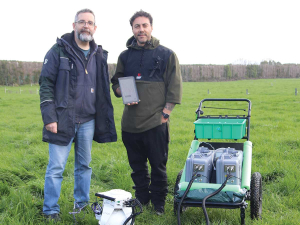
Researchers at Massey University are using a special piece of scientific equipment to improve the measurement of greenhouse gas emissions from pasture soils.
More signs of a booming kiwifruit sector.
OPINION: David Seymour and James Meager's plan to make it easier for farmers and orchardists to operate drones can best be described a 'courageous' move.
New Zealand wool is reaching new heights as air filtration companies move away from synthetic products to biodegradable alternatives.
Opuha Dam's ability to protect South Canterbury communities from major flooding has taken a significant step forward, with Opuha Water Limited (OWL) successfully commissioning a new outlet valve capable of releasing record volumes of water from the dam ahead of a weather event.

OPINION: After hogging the media limelight for telling a NZ Chinese MP to "go back home", Winston Peters has decided…
OPINION: With fuel prices soaring, one would have expected most farmers to be reclaiming excise duty on petrol.