A major move is about to get underway to improve the quality and viability of dairy beef and cattle in NZ.
State-owned farming company Pāmu (Landcorp) is about to release semen from its specially-bred stabilizer bulls to the wider farming community so that they can take advantage of the new genetics and the benefits that they offer. This comes in the wake of news of greater demand and higher prices for our lean, grass-fed beef, especially in the United States.
For some years Pāmu has been working with partners Focus Genetics and LIC to develop a new composite breed called Silver Stabilizers that will produce a calf that better meets the needs of dairy farmers and those farmers that rear dairy beef animals.
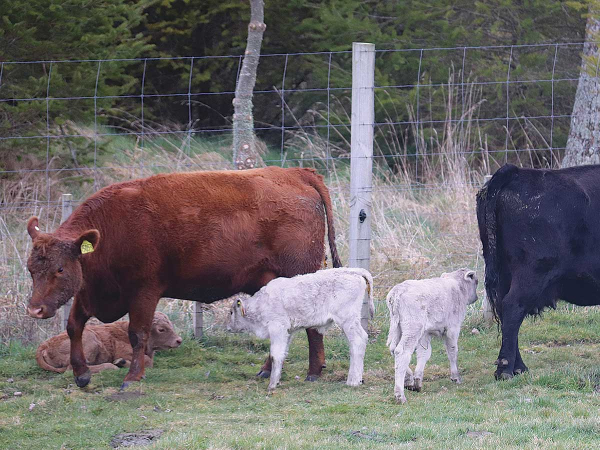
The Silver Stabilizer is a combination of the Simmental, Red Angus and Gelbvieh. The latter is a cattle breed originating in Germany and is primarily used for beef production. These are crossed with a Charolais and what we get is a silver-coloured calf, which is most unusual.
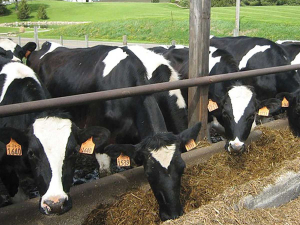
Pāmu chief executive, Mark Leslie notes that today a lot of the dairy beef animals are Friesen Bulls and says while these are fantastic animals, his company has found a solution that will add value to both the dairy and dairy beef sector.
“What we are doing with the Silver Stabilizer is to get genetics that meet the needs of the dairy farmer and the livestock farmers,” Leslie told Dairy News.
“For the dairy farmer the traits they want are low birthweight, short gestation and they have got the right sort of colour marking in them so when you go out in the paddock in the morning, they know it’s a dairy beef animal – not your replacement heifer or anything like that,” he says.
Leslie says for dairy farmers that’s perfect, because the cow that produces a stabilizer calf faster will milk longer. And he says for those rearing the calves produced by the Silver Stabilizer genetics, the growth rates are fantastic.
Put simply, he says the Silver Stabilizer genetics offer a better way of getting the animals off the farm quicker and another tool for farmers. He says farmers have sexed semen for their top cows and breeding replacements, but using the stabilizer genetics for the remaining cows and producing good saleable animals is a good option.
Leslie says while there will always be a place for the beef cow on the hill country, as well as sheep, the ability to finish two quality calves from the dairy provides another attractive financial option. He says this option is being enhanced by the greater use of new technologies such as wearables which are making it easier to manage hill country farming operations.
The next phase, says Leslie, is allowing more beef animals on the rolling hill country and making sure there is feed to take them through and thus get better productivity and a reduction in the farm’s environmental footprint.