Dairy Sector Drives Strong Rural Property Market Activity in NZ
The latest data from the Real Estate Institute of New Zealand (REINZ) reveals a mixed rural property market due to consistent inflation concerns.
 increase font size
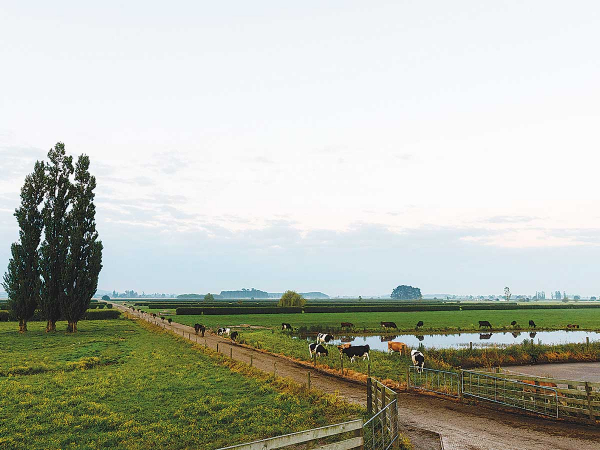 The fall in dairy prices could have an impact on those farms with high debt to equity ratios.
A floating and volatile situation – that’s how the Real Estate Institute of NZ rural spokesperson Brian Peacocke describes the current value of dairy farms around the country.
The latest statistics by the institute show that in the three months to the end of July, the median price per hectare of dairy farms has dropped by 29.1% to $23,193 compared with the same period in 2019. For grazing farms there is a drop of 8.5% to $10,194.
This comes amid news that the state-owned farmer Pamu, or Landcorp, wrote down the book value of its dairy farms by 10% in the year ended 30 June. Peacocke says that write down number is about the middle of the range with the lowest being just over 7% and the highest write down close to 20%.
He says the present easing of prices also reflects the very low volume of sales at this time of the year. Peacocke says this is not the time of the year when dairy farms are sold. He says the drop off in sales is partly due to overseas buyers not being in the market and they traditionally buy larger properties.
“For example, there have only been two sales of dairy farms in Canterbury in the past nine months,” he says.
The fall in dairy prices could have an impact on those farms with high debt to equity ratios. Farmers who are well capitalised and have a good financial structure will be fine. But Peacocke warns that those who are undercapitalised, have too much debt and haven’t got the necessary structures in place to deal with new compliance rules will be in difficulty.
According to Peacocke, dairy farm values in Taranaki and parts of the Waikato are traditionally strong and have remained so. However he notes that new developments in what he calls “fringe dairy country” could be hit by lower land values.
“However, there are some new developments done recently that are doing well. These are farms that were developed after it was clear what the new environmental regulations may look like and this was factored into the design of the property. But for those blocks which have come out of forestry, it will be a long slow process before they get where they want to be,” he says.
Peacocke says the situation will become clearer later in the spring as the sales season for dairy farms gets underway.
“From that point of view we have a better environment this spring than we had in the autumn and spring last year.
“But coming out of Covid, a whole lot of things are going to be tested when we get into the spring and it’s pretty difficult to say where the values are going to sit. We’ve got a floating, volatile situation at the moment and speculation right now would best be kept until the farm sale market emerges,” he says.
The latest data from the Real Estate Institute of New Zealand (REINZ) reveals a mixed rural property market due to consistent inflation concerns.
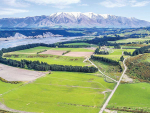
The Real Estate Institute of New Zealand (REINZ) has released its latest rural property report, providing a detailed view of New Zealand’s rural real estate market for the 12 months ending December 2025.
Buoyed by strong forecasts for milk prices and a renewed demand for dairy assets, the South Island rural real estate market has begun the year with positive momentum, according to Colliers.
Farm sales are on the rise. According to recent data from the Real Estate Institute of New Zealand (REINZ), there was an 18.9% increase in farm sales for the three months ending August 2024 compared to the same period in 2023.
Recently released data from the Real Estate Institute of New Zealand (REINZ) shows there were 224 fewer farm sales (-48.6%) for the three months ended April 2023, compared to the same period last year.

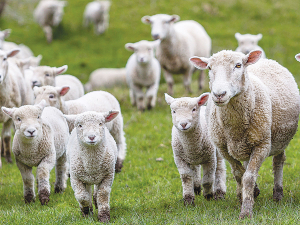
A New Zealand initiative supporting farmers to restore the health of grazing landscapes has received international backing through the Regenerative Fund for Nature, a global collaborative fund supporting regenerative agriculture and the communities that produce natural fibres for the fashion industry.

Combine premium New Zealand products, blend in a family ritual and what do you get? A world-class functional drink.
Entries are now open across eleven regions for the 2027 New Zealand Dairy Industry Awards (NZDIA).
Safer Farms is urging farmers to make sure everyone working on farm has safe, suitable footwear for the job.
The Government is backing work on a community-led water storage scheme that could irrigate up to 11,000 more hectares of the Poverty Bay flats, Agriculture Minister Todd McClay says.
Agri-tech company Herd-i has become a new all-region sponsor of the New Zealand Dairy Industry Awards (NZDIA), the largest nationwide celebration of excellence in the dairy sector.