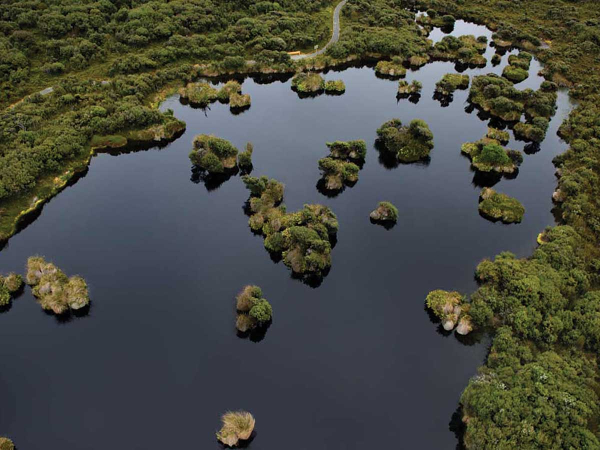
Through its new partnership with New Zealand Landcare Trust, Fonterra has committed to funding ten $25,000 grants for wetland restoration in communities across the country.
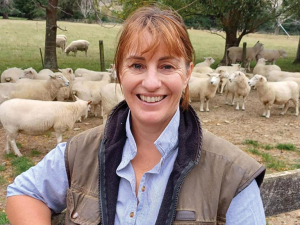
The partnership was officially launched at Donald's farm in Whitford, Auckland last month, with Minister of Agriculture Todd McClay in attendance along with members of the NZ Landcare Trust board and representatives from Fonterra.
The $250,000 in grants over the next three years will support community groups to restore and improve wetlands.
Fonterra's group director of global external affairs, Simon Tucker, says working in partnership is key to delivering meaningful impact for communities.
"Collaborating with our partners at NZ Landcare Trust ensures this investment supports communities at a grassroots level. We're grateful to the many farmers, communities and volunteers who are passionate about caring for wetlands, preserving them for generations to come."
For almost 30 years, NZ Landcare Trust has supported farmers and catchment groups with expert guidance and free educational support, promoting sustainable practices for managing land and water resources. Through the new partnership, they will support the delivery of the grants to catchments nationwide.
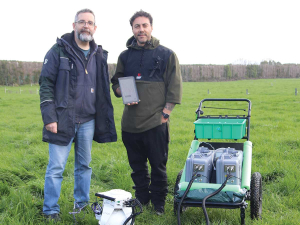
NZ Landcare Trust chief executive Dr Nick Edgar says wetlands are among the most productive ecosystems, playing a vital role in supporting biodiversity, improving water quality, and flood mitigation.
"We are proud to partner with Fonterra and local catchment groups to restore these essential environmental assets through collaborative, community-led stewardship. This initiative allows us to regenerate and protect wetlands with greater efficiency and meaningful impact."
Wetlands play a crucial role in maintaining water quality, earning them the nickname the 'Earth's kidneys'. The natural ecosystems filter and purify surrounding soil, improving both water and land quality. Additionally, wetlands function as sponges, absorbing excess water and significantly reduce the risk of flooding.
Regional partners and community groups can submit their expressions of interest through the NZ Landcare Trust website here.
The new partnership is made possible through the co-operative's Doing Good Together programme, which focuses on three pillars: putting good quality nutrition in the hands of those who need it most; providing care and support to keep rural communities strong; and empowering communities to protect and restore nature for future generations.
NZ Landcare Trust/Ngā Matapopore Whenua is a grassroots organisation supporting communities in beneficial land and water management practices. They partner with rural communities, catchment and landcare groups and other organisations to make a tangible difference in the future of New Zealand's waterways.
NZ Landcare Trust's work programme is funded by the Ministry for the Environment and the Ministry for Primary Industries. They also secure and complete a series of additional projects each year.