Boutique cheesemaker Cranky Goat in voluntary liquidation
Award-winning boutique cheese company, Cranky Goat Ltd has gone into voluntary liquidation.
 increase font size
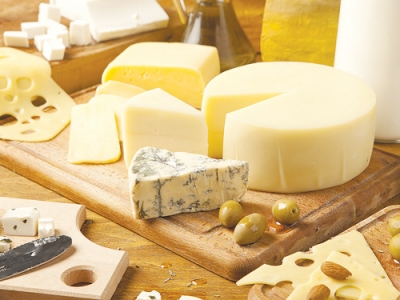 More cheese being produced around the world sends prices tumbling.
Cheese prices are falling worldwide and it's all to do with the milk glut.
In New Zealand, retail cheese prices have fallen to the lowest level in nine years; in the US, at the end of April, a record 540 million tonnes of cheese was in storage, up 11% from last year.
Lower prices impact returns for major cheese exporters like Fonterra and Open Country Cheese, adding further downward pressure on payouts.
More milk, especially out of the US and the European Union, has seen prices drop; with lower input costs cheese makers are finding it cheaper to churn out more products.
On Global Dairy Trade (GDT), the cheddar price peaked on October 6 last year at US$3234/tonne; by March 15 this year it had tumbled to US$2441/tonne. It has since risen slightly and at last week's auction the cheddar price reached $US2886/tonne.
But Rabobank dairy analyst Emma Higgins says while cheese prices appear to have dropped in the last GDT event, throughout this negative price cycle the dairy fat complex, including cheese, has largely been getting prices at a premium to powders. This reflects strong demand from consumers in the northern hemisphere, particularly the US, and in Asia for pizza.
Higgins told Dairy News that cheese stocks are higher, and growing, in the US than in Europe. This comes down to US milk production running quite strong for the past two years.
"Also, US processors no longer have the easy option of just producing SMP/butter and selling it to the government through an intervention system in times of weak markets so they need to make commercial production scheduling decisions," Higgins says.
"Exports of cheese have stalled for the US due to the higher US dollar and more EU cheese in markets such as Japan and Korea.
"Given the strength of US demand, inventories at this stage are largely manageable and not a cause for significant concern at this time."
Christchurch boutique cheese maker Barrys Bay Cheese says smaller producers are immune from the global price drop.
"The big exporters Fonterra and Open Country who are selling cheese on the global market will be affected by the falling cheese prices and this reduction in revenue will no doubt impact on the make-up of the payout to their suppliers," Mike Carey, Barrys Bay Cheese told Dairy News.
US dairy farmers are expected to produce 96 billion kg of milk this year, a record. Much of it is being sold to cheesemakers who are socking away their output, waiting for demand and prices to rise.
The US has so big a cheese glut that every citizen there would need to eat an extra 1.3kg this year to work it off.
According to the US Department of Agriculture, at least half this stockpiled cheese is American, 2% is Swiss and the rest is "other."
The reason lies across the Atlantic Ocean. Dairy product exports from Europe have been increasing for two years and cheese prices have been steadily falling. The result is a global oversupply in milk and dairy products.
That means the US has taken advantage of falling prices and the weakening euro to buy up more European-made cheese; imports of EU cheese rose 17% last year and combined with an overproduction of milk by America farmers to combat similarly low prices, has resulted in extra cheese.
Award-winning boutique cheese company, Cranky Goat Ltd has gone into voluntary liquidation.

OPINION: This old mutt hears some of the world's favourite cheese could soon disappear off shop shelves unless science can find a way to save the mould that makes them.
Cheese exports rose $763 million (35%) in the 12 months to May 2023, compared with the previous year, according to figures released by Stats NZ.
The first Global Dairy Trade (GDT) auction for the new season delivered underwhelming results last week.
Local cheesemakers are facing competition from subsidised frozen EU imports flooding the NZ market, tariff-free, says Whitestone Cheese managing director Stephen Berry.

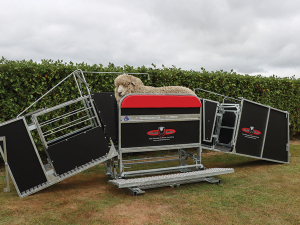
Oamaru-based livestock handling specialist Te Pari has bought Combi Clamp, the New Zealand manufacturer of Combi Clamp manual sheep handlers.
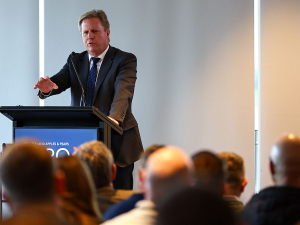
Agriculture Minister Todd McClay has admitted that a scheme bringing workers from Pacific nations to work on orchards has become too hard to navigate but says changes are coming.
A new app designed in New Zealand aims to help sheep, beef and deer farmers capture, analyse and use body condition score data more effectively.
Canterbury farmer Andy Macfarlane has been appointed to the board of AgriZeroNZ, the public-private partnership designed to accelerate the development and deployment of emissions reduction tools for New Zealand farmers.
For over 50 years Mel Ewers has been supporting the apple sector navigate through compliance and quality assurance issues.
The apple sector is enjoying a bumper harvest season.