International Day of Rural Women: Two DairyNZ Farmers’ Stories
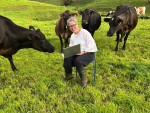
Today, 15 October, is the International Day of Rural Women, which recognises rural women’s contribution to farming, communities and the environment.
 increase font size
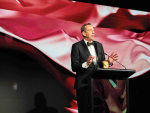
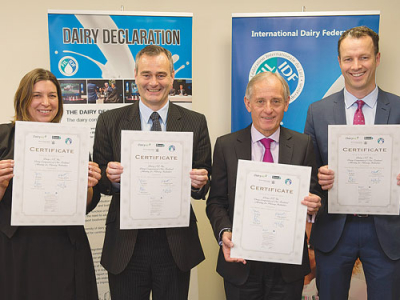 Industry leaders from left, Kimberly Crewther (DCANZ), Jeremy Hill (IDF), Martyn Dunne (MPI), and Tim Mackle (DairyNZ)
The dairy industry has endorsed an international agreement on global sustainable dairy development.
DairyNZ, Dairy Companies Association of New Zealand (DCANZ) and the Ministry for Primary Industries (MPI) have endorsed the Dairy Declaration of Rotterdam. It commits towards feeding the world with safe and sustainable products, and enhancing sustainability.
The signatories are the International Dairy Federation (IDF) and the UN Food and Agricultural Organisation (FAO), who signed the declaration during the World Dairy Summit in 2016.
“We are pleased to endorse the declaration today as a signal of strong support for the UN 2030 Agenda for Sustainable Development and for the important role of the dairy sector in the global community’s efforts toward sustainable development,” says Kimberly Crewther, executive director of DCANZ.
“We look forward to working with all IDF and FAO members to deliver the outcomes in the declaration and its sustainable development goals.”
The declaration highlights areas in which dairying can move to achieve its sustainable development goals from an economic, social, environmental and health perspective, all priorities for NZ. This includes working together on ways to build capacity to develop sustainable food systems and resilient agricultural practices.
“NZ is engaged in collective global efforts to promote the efficient use of natural resources and combat climate change, such as the Global Research Alliance on Agricultural Greenhouse Gases and the Global Dairy Agenda for Action,” says MPI director-general Martyn Dunne.
DairyNZ chief executive Tim Mackle welcomes the support expressed in the declaration to meeting the needs of farming families.
“The declaration also recognises the major economic contribution dairy makes to realising the sustainable development aspirations of farmers and communities worldwide.”
NZ seeks to eliminate distortions from global agricultural markets, such as subsidies and trade barriers that can hamper food security, prevent farmers from receiving the full value of their products and raise food costs for consumers.
“Dairy remains one of the most protected and distorted sectors of global trade,” says Crewther.
“We also welcome the declaration’s focus on the social and health dimensions of dairy and its role in a balanced, nutritious and healthy diet.
“As a leader in the production of safe and sustainable dairy nutrition we support the global development of science-based standards, policies and practices for food safety and improved health outcomes.”
Today, 15 October, is the International Day of Rural Women, which recognises rural women’s contribution to farming, communities and the environment.
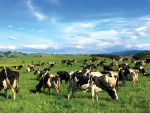
The first major update to the Dairy Cattle Code of Welfare in more than a decade has been released, marking what DairyNZ describes as an important step in ensuring animal welfare standards continue to evolve alongside scientific evidence and on-farm realities.
Have a plan in place for your cows and staff.
DairyNZ deputy chair Cameron Henderson has been re-appointed unopposed for another term.
OPINION: The stats speak for themselves.


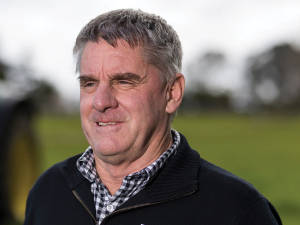
Federated Farmers has welcomed new rural policies released by ACT, saying they align closely with its own election priorities.
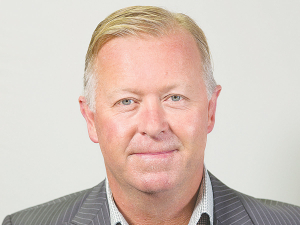
Rural Contractors NZ says proposed changes to land transport rules for agricultural vehicles are a welcome response by the Government to out of date regulations which have seen members hit with huge fines.
Alliance is calling for final applications for its 2027 Graduate Programme, with applications closing on Sunday 25 October.
Decades piloting planes has ensured vet and farmer David Hayes is focused on safety. So, after a serious accident while welding on farm, he is sharing his experience so others can learn from it.
Canterbury milk processor, Synlait Milk has confirmed Leon Fung as its chief executive officer.
OPINION: Making it easier to collect rainwater and use it to grow crops and livestock is a no brainer.