Almond Hulls Trialled to Cut Dairy Cow Emissions in NZ
Almond hulls sourced from Australian orchards may have the potential to help New Zealand cows reduce emissions, boost milk yield and lower input costs.
 increase font size
 Olam Food Ingredient’s new milk plant taking shape in Tokoroa.
Waikato's newest milk processing plant is on track to start operating in July next year.
Olam Food Ingredients (ofi) New Zealand operations director Paul Rennie says farmers are being signed up to supply the plant at Tokoroa.
Rennie says the milk supply market remains "pretty competitive".
"We are working hard: we started having conversations with farmers a few years ago," he told Dairy News. "We are making good progress and more work needs to be done."
Sustainability will be a key feature of the new plant.
"We're pleased to see our plans coming to life as the plant construction progresses and we are looking forward to playing a constructive role in the New Zealand dairy sector's sustainability journey in the future," says Rennie.
ofi has recently announced a range of actions to support its sustainability goals across its New Zealand operations, including building its sustainability team and enhancing a sustainably-minded approach at its plant.
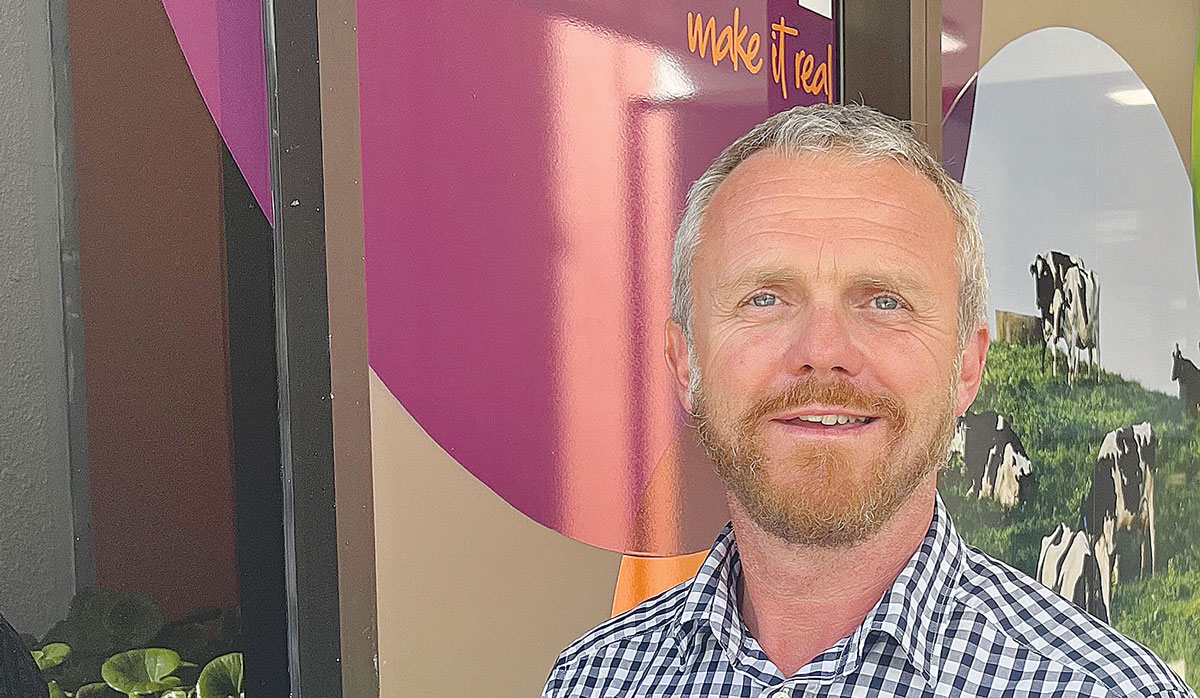
It has appointed Warren Landles as sustainability manager for ofi New Zealand.
Landles will be leading sustainability initiatives on-farm and in operations as well.
"We are delighted to have someone with his depth of experience just our team," says Rennie.
Landles joins ofi from Miraka, where he held senior sustainability and on-farm excellence roles.
 |
|---|
|
Warren Landles |
At a global level, ofi works to a comprehensive sustainability framework that is aligned to the UN Sustainable Development Goals and the UN Global Compact, says Rennie.
"Technology plays a key role in ofi's global approach, and the same will apply here in New Zealand, where we are adopting technology that helps us minimise our environmental impact.
"All aspects of our new plant are being designed to maximise renewable energy use, minimise pollution and water use and ensure waste is handled in the most sustainable way possible.
"One of the key commitments is that we will operate a biomass boiler that will be fueled with sustainably-sourced wood fiber. This will help us ensure our milk processing is energy efficient and low impact,” he said.
Landles says on farm the focus will be supporting existing efforts and partnering with ofi farmers to help them achieve their goals under He Waka Eke Noa, the industry blueprint for reducing emissions and building resilience to climate change.
“At a farm level, one of our focus areas is methane, so we are looking at tools and technologies that can support farmers to achieve meaningful onfarm emission reductions through methane mitigation.
“We will also help them with riparian planting by providing costprice native plants that we will grow in a nursery facility on site, using treated wastewater from our milk processing operations in the nursery.”
Almond hulls sourced from Australian orchards may have the potential to help New Zealand cows reduce emissions, boost milk yield and lower input costs.
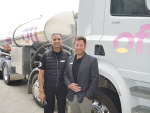
The Singaporean conglomerate behind New Zealand’s newest milk processing plant says this is the first step in a long journey.
Farmers who have switched their milk supply to the country's newest processor say they are happy with the deal they have been offered.
New Zealand’s newest dairy plant was officially opened in Tokoroa this morning.
OPINION: Milking It understands the new Olam milk plant in Tokoroa is running slightly behind schedule.


National’s pledge to introduce 19 new national standards shows the party is serious about getting Wellington out of farming, Federated Farmers says.
The National Party’s policies to make it easier to grow fresh vegetables, secure reliable water and energy and simplify farm planning are practical changes that will give growers the confidence to invest, according to Horticulture New Zealand (HortNZ).
Fonterra Co-operative Group chief financial officer Andrew Murray has resigned to take up a role outside the dairy giant.
A major move is about to get underway to improve the quality and viability of dairy beef and cattle in NZ.
Veterinarians say changes to the code of welfare for dairy cattle provides a positive foundation for improved cattle welfare across the country.
Today, 15 October, is the International Day of Rural Women, which recognises rural women’s contribution to farming, communities and the environment.