Damien O’Connor Criticises Budget 2026 as ‘Miserable’ for Rural New Zealand
A miserable budget that didn’t deliver much for anyone.
 increase font size
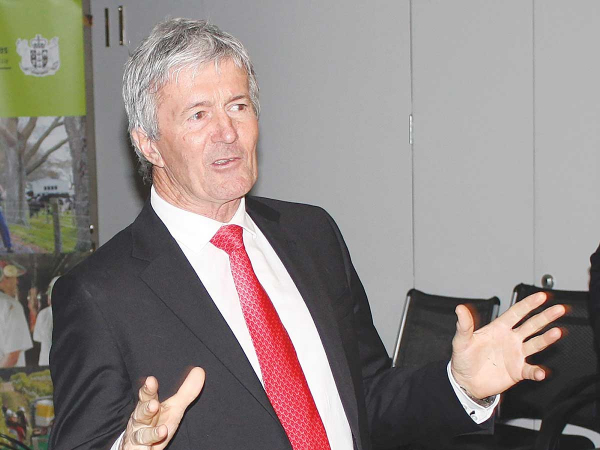 Damien O’Connor: “The stakes are very high if we don’t do this properly.”
Ag minister Damien O’Connor says if NZ doesn’t get this four-week COVID-19 shutdown right, the chances are this will go on for a long time.
As the level four alert came into force last Thursday, O’Connor spoke to Dairy News, adding that there has been a huge amount of responsible planning right through the farming and horticultural sector.
“We have to realise that the few who may not think this is necessary could put us all at risk……the stakes are very high if we don’t do this properly,” he says.
O’Connor says the rural and framing sector has a huge opportunity and privilege through this crisis to operate and run their businesses.
But he says like what’s happening across the whole economy, things have to be done differently in the farming sector over the next four weeks.
Rural Service providers have closed stores and are taking orders from farmers on telephone and online. Deliveries and pick-ups are done without interaction between the farmers and salesmen.
The focus for the next four weeks is about reducing travel and contact with people and between people so that NZ can get ahead of this virus..
“If that does not happen in the next four weeks the ongoing challenge for every industry is huge,” he says.
O’Connor says the government has ensured that in designating essential services status to the whole of the primary sector, issues such as animal welfare and seasonal harvesting can addressed in the normal way. He says the pressure on the meat processing plants has been there for some time and will continue as they manager their internal risk and staff placement which will inevitably affect their levels of productivity.
“We have ensured that the supply chain for essential items in farming is maintained but there are some items that are less essential and they will be hard to get. Thousands of businesses are badly affected and they have to do their bit which will probably mean reduced turnover and reduced profitability at some point,” he says.
In terms of the dairy industry, O’Connor says many dairy farmers have been winding back their production because of drought or moving close to the end of the season. He says some may choose to move forward with that, but says clearly the opportunity is there for them to continue to produce milk and have it processed and then allow the companies to shift that into market.
“There are uncertainties at every level of the production and supply chain. We have done our best to offer security to the primary sector but these are challenging times for everyone and there are many unknowns,” he says.
O’Connor says he is in lockdown and “very busy” working from home. But he says like many New Zealanders he is able to do most of my work from home.
He says he has one final key message for farmers:
“The privileged of being able to carry on a sort of normal way should not insulate farmers and growers from the reality of the fact that the world has changed and that unless we can control this virus, every part of our sector, our economy and community will change,” he says.
A miserable budget that didn’t deliver much for anyone.

National's decision to ‘dribble’ information about the NZ/India to Labour contributed to the delay in it deciding to supported the FTA.
When it comes to international trade, politicians from all sides of the aisle are united, says Labour's trade spokesman Damien O'Connor.
OPINION: The previous government spent too much during the Covid-19 pandemic, despite warnings from officials, according to a briefing released by the Treasury.
OPINION: Labour leader Chris 'Chippy' Hipkins is carrying on the world-class gaslighting of the nation that he and his cohorts started after their disastrous Covid response; now trying to undermine the Covid inquiry to protect his own backside.
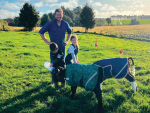

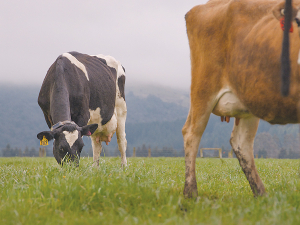
Halter has announced the six winners of its 2026 One Year Free competition, marking the biggest year yet for the annual award and the first time the company has expanded the field beyond its usual line-up.
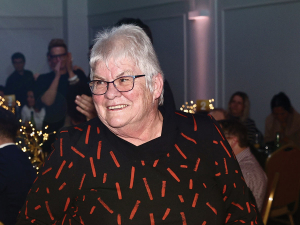
For 50 years, Tasman's Mel Ewers has been helping the apple sector navigate through compliance issues and training.
The New Zealand ploughing team to the world championship in Croatia next month will be banking on borrowed equipment as they seek glory.
Just a matter of hours after Indian Prime Minister Narendra Modi's historic trip to New Zealand, the political doors in India swung wide open for Associate Minister of Agriculture, Mark Patterson, who was there to help promote our high-quality coarse wool.
A new company set up to cultivate and supply seaweed for animal methane mitigation studies believes it could be a game changer for the dairy industry.
There's strong support from the horticulture sector for the Government's plans to overhaul and streamline the Recognised Seasonal Employer (RSE) scheme.