
NZ Dairy Expo Gains Momentum in Matamata
The third edition of the NZ Dairy Expo, held in mid-February in Matamata, has shown that the KISS principle (keep it simple stupid) was getting a positive response from exhibitors and visitors alike.




 increase font size
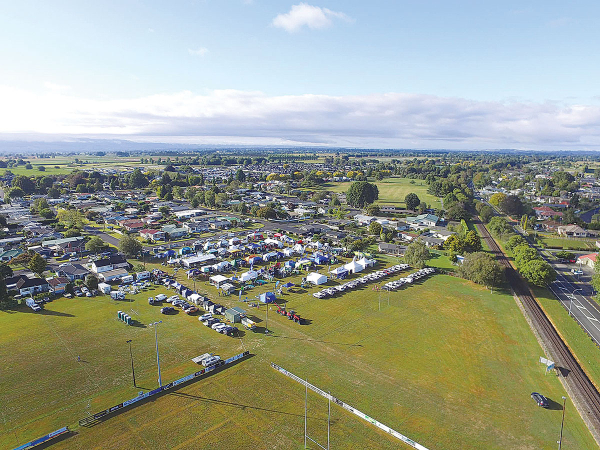 The two-day event will be held at Bedford Park, Matamata.
OPINION: Welcome to the second annual NZ Dairy Expo at Matamata – an event created to bring together the best of the New Zealand dairy industry in a focused, grassroots environment where dairy farmers and rural professionals can meet, talk, compare products, and make smart decisions for their farms.
Born out of need, the Covid-19 pandemic made overseas labour harder to come by, so dairy farmers turned increasingly to automation and technology to simplify systems and reduce costs. This highlighted the importance of creating an event where motivated farmers could directly engage with businesses offering the latest tools, technology, and solutions.
Unlike regional and national field days, the NZ Dairy Expo is specifically for dairy farmers, where every exhibitor has something valuable to offer, whether it’s innovative technology, quality infrastructure, or essential services or advice. We keep it free for farmers, without unnecessary cost but with a key focus, so you won’t find container loads of lifestyle products or unrelated goods here.
This event is proudly run by a small team of people who are passionate about supporting NZ’s dairy sector whose key aim is to create a meaningful Expo, not make a profit. We don’t take sponsorship from big corporates because we believe in maintaining our independence, allowing us to steer the event in a direction that best serves the industry, without any external influence.
Hosted at Bedford Park, the home of the UMS Rugby Club, it’s our way of giving back to the local community, supporting junior rugby, and helping sustain the club itself.
Running from 8:30am to 3:00pm on Tuesday 11th and Wednesday 12th February, the timing is scheduled to fit between milkings, so you can attend without disrupting busy schedules.
 |
|---|
|
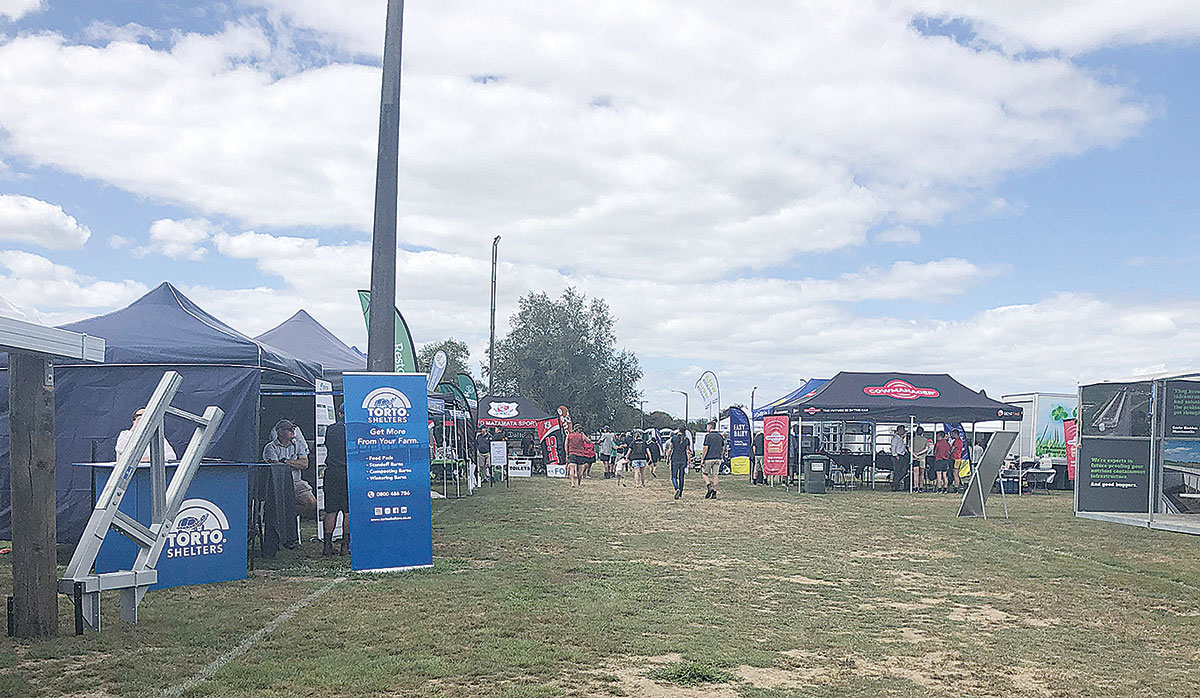
The expo aims to bolster innovation and progress in the dairy sector. |
While registration isn’t mandatory, we encourage you to sign up online in advance so we can ensure there are enough amenities for everyone. Signing up online at www.dairyexpo.co.nz or on arrival at the gate offers visitors the chance to win and to take home a daily prize of a Milwaukee M18 Cordless Grease Gun and starter pack.
With over 120 exhibitors spread across more than two hectares, we recommend allowing yourself 3 to 4 hours to fully explore the Expo. We’ve encouraged our exhibitors to focus on what really matters, from bringing their best people, offering straightforward, practical solutions, without the need to spend a fortune on site fit-outs.
Whether you’re here to learn, network, or find a solution, we hope you enjoy your time at the Expo. Thank you for supporting an event that’s by the industry, for the industry.
We hope to see you around the grounds!
Amanda Hodgson is the owner of NZ Dairy Expo
The third edition of the NZ Dairy Expo, held in mid-February in Matamata, has shown that the KISS principle (keep it simple stupid) was getting a positive response from exhibitors and visitors alike.

OPINION: The previous government spent too much during the Covid-19 pandemic, despite warnings from officials, according to a briefing released by the Treasury.
OPINION: Labour leader Chris 'Chippy' Hipkins is carrying on the world-class gaslighting of the nation that he and his cohorts started after their disastrous Covid response; now trying to undermine the Covid inquiry to protect his own backside.
OPINION: Did former PM Jacinda Ardern get fawning reviews for her book?
Farm races or laneways are central to moving animals, people and machinery around the farm. In the case of dairy farms, their maintenance is paramount as cows may walk considerable distances two or even three times a day.

Federated Farmers has welcomed new rural policies released by ACT, saying they align closely with its own election priorities.

Rural Contractors NZ says proposed changes to land transport rules for agricultural vehicles are a welcome response by the Government to out of date regulations which have seen members hit with huge fines.
Alliance is calling for final applications for its 2027 Graduate Programme, with applications closing on Sunday 25 October.
Decades piloting planes has ensured vet and farmer David Hayes is focused on safety. So, after a serious accident while welding on farm, he is sharing his experience so others can learn from it.
Canterbury milk processor, Synlait Milk has confirmed Leon Fung as its chief executive officer.
OPINION: Making it easier to collect rainwater and use it to grow crops and livestock is a no brainer.


OPINION: It seems Canterbury processor Synlait is still in the doldrums.
OPINION: Get offside with New Zealand First leader Winston Peters at your own peril.




