DairyNZ's Tracy Brown Flags El Nino Risk for Dairy Farms
Most dairy regions around the country have had a pretty good season so far says Tracy Brown.
 increase font size
 Some dairy farmers are facing $70,000 to $100,000 in additional costs per 100,000 kgMS this year.
After a good 2021 season, rising costs are now starting to hit farmers. Baker Tilly Staples Rodway Taranaki rural advisor Amanda Burling says it's time to start planning because the 2023 season could be bumpy.
Some dairy farmers are facing $70,000 to $100,000 in additional costs per 100,000 kgMS this year, she says.
The 2022 forecast Farmgate Milk Price of $9.60 has been revised back to $9.30 and escalating costs over the past six months have brought profits down.
However, going through to the 2023 season (which has a mid-range forecast farmgate milk price of $9), dairy farmers are facing 12 months of high prices for fuel, feed, freight and fertiliser, not to mention rising interest rates and inflation - and no way of knowing how bad things might get.
"We haven't seen the full impact of these costs yet because expenses have only been increasing significantly over the past six months," she says.
"It's still a really good milk payout, but we're expecting those costs to come up anything from $0.70 to $1/kg of production, so if your farm does 100,000 solids, that's $70,000 to $100,000 of additional costs. It is going to hurt."
Buerling says it's important that everyone who is affected gets to grip with their financial position, considering everything from their break-even milk prices to pasture and feed requirements.
From there, it's important to form a financial plan and establish goals for the year ahead.
"It's quite a volatile environment... so our approach to that is going to be, know your position and keep an eye on it, and then you can make timely decisions," she says.
"Now, when it's not as busy on the farm, is a prime time to be nailing down a forecast for the year. Instead of thinking at the end of the season, 'we haven't done very well', you can assess every couple of months and go, 'right we're not tracking where we want to be - what can we do?'"
Other farming sectors are facing the same cost increases, while those in the agricultural and horticultural industries are also dealing with labour shortages, she says.
"It's not necessarily just labour shortages, but the pressure to pay a really good wage to secure your people, or at least provide decent housing, otherwise you're generally expecting people to travel and they're not going to travel if the fuel costs too much."
If you're in agri-business, budgeting may not be a top priority - or maybe you track the business's performance in your head.
But Covid-19, the war in Ukraine, increased interest rates, rising inflation and other instabilities have made it doubly important to know your financial position and have an up-to-date forecast.
"For example, an increased interest rate of two percent might double your interest bill, and it's got the potential to unravel your business, so you've got to take pre-emptive steps to avoid that," says Burling.
There are software programmes that can provide an accurate and up-to-date view of farmers' current position.
"You create your forecast at the start of the year and as you update it every couple of months (in line with GST works well), the software overwrites your previous forecast with actual data, so you'll always have a current forecast closing position.
"The key thing is to use the winter season to keep of forecasting and build good habits for the future," she says.
Most dairy regions around the country have had a pretty good season so far says Tracy Brown.
Fonterra says its interim results show continued momentum in its performance, with revenue of $13.9 billion in the first half of the 2026 financial year.
A solid recovery of global dairy prices this year makes a $9.50/kgMS milk price almost a shoo-in for this season.
Fonterra has slashed another 50c off its milk price forecast as global milk flows shows no sign of easing.
A $10 milk price remains on the cards for this season despite recent softening of global dairy prices.



Seed and grain companies share the concerns of arable farmers about the viability of their sector, says Seed and Grain New Zealand chief executive Dr Sarah Clark.
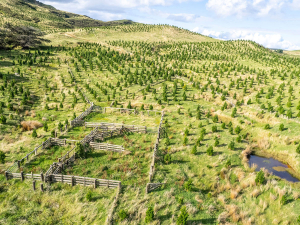
The New Zealand Institute of Forestry (NZIF) says unnecessary changes to New Zealand’s Emissions Trading Scheme (NZ ETS) will seriously erode investor confidence and result in significant reductions in forest planting rates.
For the first time in a quarter of a century, Federated Farmers has something positive to say about the Labour Party’s climate change policy leading into a general election.
A warning for New Zealand seed and grain companies – be prepared for an exodus of farmers from the arable sector.
Now in its fourth year, the 2026 Fencing Industry Awards, formed part of the proceedings of the FCANZ Conference, held in Nelson during August.
DairyNZ deputy chair Cameron Henderson has been re-appointed unopposed for another term.