The new strategy for the dairy sector will lead to a longer conversation about what New Zealand’s future farm and food systems could look like.
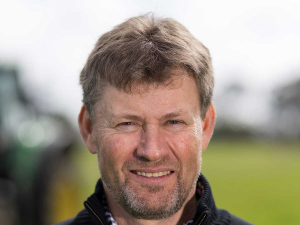
That’s the view of DairyNZ’s chief executive Dr Tim Mackle when talking about ‘Dairy Tomorrow’, the new strategy developed by DairyNZ with DCANZ, Federated Farmers and the Dairy Woman’s Network. It was launched last week in Wellington.
The new strategy embodies fundamental beliefs and positions, including successfully farming within limits; maximising the value from NZ milk while preserving the benefits in pasture based systems; caring for people, animals and the environment; and not tolerating people who fail to comply with rules on these subjects. It also is committed to greater transparency.
The strategy itself has six major commitments:
protecting and nurturing the environment for future generations
building the world’s most competitive and resilient dairy farming business
producing the highest quality and most valued dairy nutrition
leading the world in onfarm care of animals
building great workplaces for a talented workforce
growing vibrant and prosperous communities.
Mackle says sustainable dairy farming has a critical role to play in NZ’s prosperity and wellbeing . He says farming within limits and maintaining profitability is key to the industry’s success in global markets.
“We want to begin straight away collaborating on strategies and actions toward achieving swimmable waterways and finding new opportunities to reduce or offset our greenhouse gas emissions,” Mackle says.
“These actions will be ongoing priorities. At the same time we’ve put deadlines in place for implementing new initiatives, including developing cutting-edge science and technology solutions and implementing a new framework for world-leading onfarm animal care.”
One of the challenges the authors of this strategy will have is getting complete buy-in from farmers. In practical terms, what will ‘not tolerating non-compliance’ with key rules actually translate into? Refusing to take milk or cutting payout from recidivist non-compliers? How will they get all farmers to be great employers and not tarnish the image of the industry?
These and other challenges -- some of which are outside the control of the sector -- are acknowledged in the strategy: geopolitical and trade issues, changing cultural and social attitudes towards food, slow or declining growth and getting greater and faster adoption of new technologies. The report also notes the constraints on food production including water and, no doubt, land and the potential for disruption by climate change.