Four Candidates Confirmed for Fonterra Board Election
Four candidates have been confirmed for two director positions on Fonterra’s board.
 increase font size
Fonterra has reduced its 2020-21 forecast farmgate milk price range midpoint by 5c.
Having sold most of its milk for the 2020/21 season, Fonterra says it is now in a position to narrow this season’s range - from $7.30 - $7.90/ kgMS to $7.45 - $7.65/kgMS.
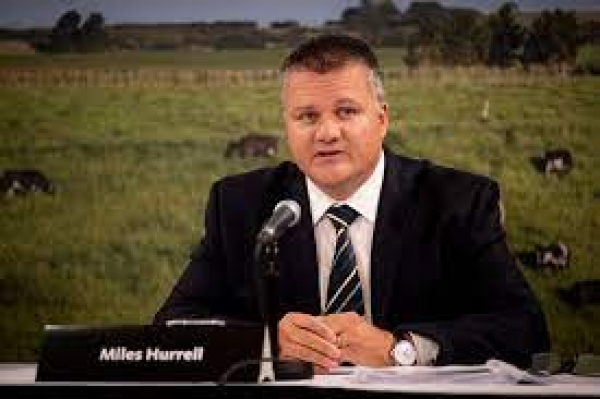
Chief executive Hurrell says, at a mid-point of $7.55/kgMS , 2020/21 would be the second year in a row with the forecast farmgate milk price above $7/kgMS.
Hurrell says since March, global dairy prices have settled, somewhat.
“This is why we have revised our midpoint down 5 cents.”
He referred to the “extraordinary” March Global Dairy Trade (GDT) event, where prices jumped 15% and contributed to the increase in its forecast 2020/21 farmgate milk price range.
Back in March, the average price for whole milk powder was over US$4,350/metric tonne. In the last three GDT events, however, the average price has reduced to close to US$4,100/metric tonne. And GDT butter prices have gone from almost US$6,000 per metric tonne to below US$5,000 per metric tonne for the first time since January, Hurrell notes.
Four candidates have been confirmed for two director positions on Fonterra’s board.
A record farmgate milk price and strong global demand is laying the foundation for continued growth of organic dairy farming in New Zealand.
Waikato milk processor Tatua has again declared a record milk payout to farmer shareholders, leaving other processors in the dust.
Synlait has swung to second-half profit as operations stabilise, but the dairy processor still posted a $75.4m annual loss.
Fonterra has unveiled its annual results for the 2026 financial year, posting $27 billion in revenue and close to $20 billion returned to New Zealand farmer owners and unit holders.


Safer Farms is urging farmers to make sure everyone working on farm has safe, suitable footwear for the job.

The Government is backing work on a community-led water storage scheme that could irrigate up to 11,000 more hectares of the Poverty Bay flats, Agriculture Minister Todd McClay says.
Agri-tech company Herd-i has become a new all-region sponsor of the New Zealand Dairy Industry Awards (NZDIA), the largest nationwide celebration of excellence in the dairy sector.
Four candidates have been confirmed for two director positions on Fonterra’s board.
Returning to the family dairy farm after playing 20 years of professional rugby around the world is no easy task.
After delivering another record farmgate milk price to 100 supplying farms, independent milk processor Tatua is entering thee new financial year with a positive outlook.