Farmers Warned Over Track Dangers After Wairarapa Floods
The terrible floods that hit the Wairarapa may have subsided, but the danger to farmers still exists, according to local Federated Farmers president Rob Hickson.
 increase font size
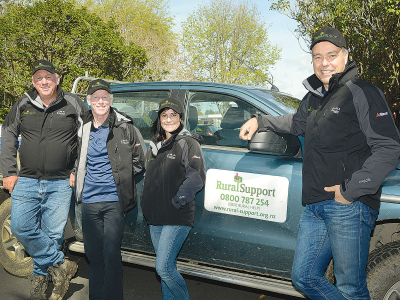 Bay of Plenty Rural Support Trust staff.
A recent survey has highlighted the important role of the Rural Trust Support during natural disasters.
When Bay of Plenty was hammered by storms in 2017, the local trust was a big help to farming families, the 2018 Rural Recovery Survey has found.
The survey was commissioned by the Rural Support Trust with the Bay of Plenty Regional Council. It looked into farm support after Cyclones Debbie and Cook in April 2017.
“Our team were kept busy during the storms and their aftermath as we supported rural people and their families,” says trust chairperson Miles Mander.
Their efforts included search and rescue at the height of the storm, visiting homes with the Red Cross to check on affected people, farm cleanups, managing people’s wellbeing and helping rural families get needed resources.
“The most common need was helping people work through what they needed to do. The floods were so severe, there was so much work, it was overwhelming for many,” says Mander.
“There were the logistics of working around road closures and flood waters, helping people displaced from their homes, then helping them see the massive and lengthy clean up ahead.”
The trust was appreciated most for its face to face support. About 96% of respondents said the support was “very likely” or “somewhat likely” of value and they would seek advice or support from the trust in a similar event.
Survey results were collected from 25 out of 98 people who were either affected by the weather or were part of a supporting agency.
The terrible floods that hit the Wairarapa may have subsided, but the danger to farmers still exists, according to local Federated Farmers president Rob Hickson.

With forecasters advising El Niño conditions will develop through winter and strengthen into spring and summer, Ballance Agri-Nutrients is encouraging farmers and growers to think ahead about nutrient planning and be prepared to work around challenging weather conditions.
New Zealand’s rural sector has once again demonstrated its generosity, with the second Rural Industry Leaders Dinner, Debate and Auction raising an impressive $400,000 for the Rural Support Trust.
The Rural Support Trust is hosting a series of community wellbeing events featuring former NZSAS soldier and Victoria Cross recipient Willie Apiata.
Recent weather events in the Bay of Plenty, Gisborne/Tairawhiti, and Canterbury have been declared a medium-scale adverse event.


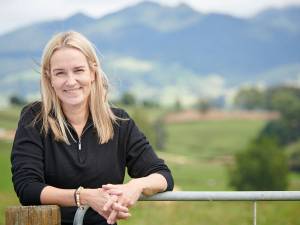
Minister of Conservation Hon Tama Potaka has appointed Susan O'Regan as Chair of the Queen Elizabeth II National Trust (QEII) for a three-year term.
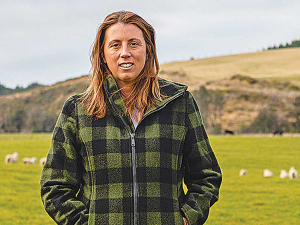
Red meat farmers are welcoming Labour’s plan to review the Emissions Trading Scheme and not to campaign on pricing agricultural emissions.
Where any worker in the kiwifruit industry is mistreated, we expect the authorities to take action.
Mid Canterbury Federated Farmers arable chair, Bevan Lill, said Beef + Lamb NZ data indicated that for the last six years, the average arable return on investment was about 0.8% while inflation ran about 4% - so the average arable farm was going backwards at about 3% a year.
Seed and grain companies share the concerns of arable farmers about the viability of their sector, says Seed and Grain New Zealand chief executive Dr Sarah Clark.
The New Zealand Institute of Forestry (NZIF) says unnecessary changes to New Zealand’s Emissions Trading Scheme (NZ ETS) will seriously erode investor confidence and result in significant reductions in forest planting rates.