With the pressure of winter and spring behind us, and the groundwork laid, now is a good time for many farmers to pause, check progress against plan, and think ahead to ensure resilience for whatever summer and autumn may bring.
While much of the focus is above ground, the real secret to success starts beneath our feet.
Healthy soil powers every paddock and supports resilient pastures, efficient nutrient use, and sustainable farm systems.
Why soil health matters
Soil does much more than grow out pastures. It cycles nutrients, filters water, stores carbon and supports a vast array of life - from microbes to plant roots.
Think of soil as a finely tuned system: taking in fertiliser nutrients, transforming them through biological and chemical processes, and supplying them to plants in the right form and at the right time. Soil is also the first line of defence against heavy rain, absorbing and holding water to reduce runoff and erosion.
Worldwide, productive soils are rare. They take centuries to form so it is vital to protect what we have. Only about 10% of the world's land has the right qualities for growing crops and pasture. In New Zealand, we're fortunate to farm on some of the most productive and versatile soils, but it can take hundreds of years to form just a single centimetre of quality topsoil.
When soil is healthy, pastures thrive. Lush, green swards signal that the soil beneath is supplying adequate nutrients, retaining moisture, and supporting a vibrant biological community. Patchy, weed-infested or drought-prone pasture often points to underlying soil issues - compaction, nutrient deficiencies, or poor biological activity.
What makes soil and pasture healthy?
On the ground, healthy soil means strong, even pasture growth, fewer bare patches, and better resilience in wet and dry conditions.
Soil health is shaped by three main factors:
- Physical structure - well-structured soil allows roots to grow deep, and water and air to move freely
- Chemical composition - balanced soil chemistry ensures plants get the nutrients they need
- Biological activity - a thriving biological community - microbes, earthworms, and other organisms - drives nutrient cycling and supports soil structure.
By looking after your soil, you’re investing in the longterm productivity and resilience of your entire farm.
Testing is Essential
Regular soil testing is essential for understanding what’s happening beneath the surface. Most farmers test for fertility every two to three years, and for broader soil health indicators every three to five years. Consistency is key: take samples from the same locations, at the same time of year, and avoid sampling during extreme wet or dry conditions or within three months of fertiliser application.
When you receive your results, you’ll see measures like pH, Olsen P (plant-available phosphorus), potassium, calcium, magnesium, sulphur, and sodium. These numbers tell you about the chemical balance of your soil. Biological indicators, such as anaerobically mineralisable nitrogen and organic matter percentage, reveal how active and healthy your soil’s living community is.
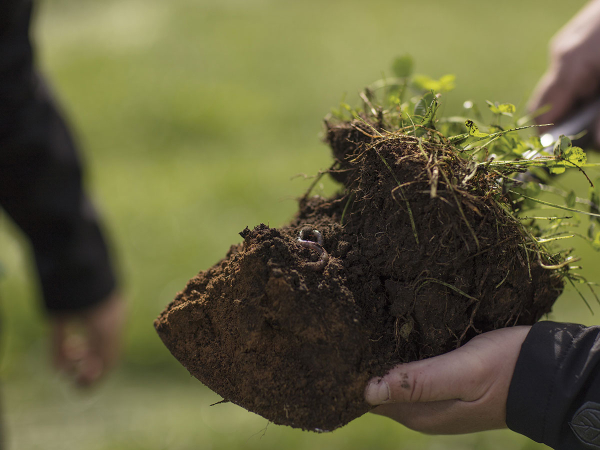
These indicators should be complemented with visual soil (and pasture) assessment (VSA). Picking up a spade and undertaking a VSA can tell you a lot about the physical and biological health of the soil, which is extremely important to pair with the fertility and biological indicators provided by soil test analysis. Soil structure and macroporosity can tell you a lot about the drainage and aeration characteristics of a soil. These properties can give you strong clues on how to improve production and efficiency of the soil’s nutrient cycling.
A Living Investment
When soils are in good shape, pastures make better use of available nutrients and water, meaning less wastage and more return from every dollar spent on fertiliser and feed. They’re also more resilient to extremes, whether it’s a dry summer or a downpour that tests our drainage systems. Healthy soils act as a reservoir for water during dry periods retaining moisture and nutrients.
Farmers who adopt rotational grazing and increase pasture diversity often observe improvements in soil structure, organic matter, and pasture resilience, especially during challenging seasons.
At this point in the farming season, it’s an ideal time to pause and check in on soil and pasture management plans. With the critical winter and spring setup behind us, farmers are starting to find the capacity to focus on the fundamentals that drive long-term success.
Healthy soil underpins productive pastures, efficient nutrient use, and resilient dairy systems. By monitoring soil condition and making informed adjustments, you’ll keep your farm performing well through the rest of the season.
Katie Aitkenhead is science extension leader at Ballance Agri-Nutrients.