Pāmu Braces for $30m Hit From Rising Farm Costs
State farmer Pāmu is bracing for a $30 million hit from soaring farm input costs this financial year.
 increase font size
 DairyNZ chair Tracy Brown.
OPINION: New Zealand’s pasture-based dairy system remains one of our greatest strengths. It positions us well during periods of global uncertainty and cost pressures on farm.
That matters in moments like these. But if there’s one thing dairy farmers know, it’s that nothing stays the same for long.
Increased costs for feed, fuel and fertiliser have featured in past price shocks and inflationary cycles, and recent tensions in the Middle East have brought them back into focus as we look ahead to the 2026/27 season.
From a New Zealand perspective, the near-term issue is more about price, specifically input prices, than supply. For most farms, the immediate challenge is likely to be pressure on operating margin from higher input costs, more so than supply challenges.
With only a month or so remaining in the 2025/26 season, we would not expect to see a material shift in the season’s overall outlook. While milk and meat returns remain supportive, many farmers are already experiencing higher on‑farm costs, which is tightening operating margins as the season closes.
Looking ahead to the coming season, farmers may have some flexibility to defer or reprioritise certain costs, helping to manage short‑term risk and maintain control where it matters most.
Where to keep an eye out
Looking further ahead, supplementary feed cost remains the biggest area of exposure for our dairy farmers. Compared with fuel and fertiliser, feed makes up the largest share of on‑farm costs and, if prices rise, it’s usually the first area margin pressure shows up.
That’s why the fundamentals matter so much. New Zealand’s pasture‑based system remains a real strength. Getting the best return from pasture, while using supplementary feeds strategically, not only underpins profitability, but also provides resilience against farm input cost volatility.
Practical steps for right now
While global factors are outside our control, there’s still a lot farmers can do on‑farm:
Looking ahead with confidence
Encouragingly, feedback from around the country suggests farmer confidence remains broadly positive. Feed positions are generally strong, payout sentiment is solid, and production is holding near or above last season in many regions.
Cull cows being held longer on farm this season has created some localised concerns about processing capacity later in autumn. Farmers are encouraged to be proactive in their planning around this. Compared with many competing dairy regions globally, New Zealand is still well positioned. Our pasture‑based systems rely less on imported feed and long transport chains, which gives us a comparative advantage during periods of global input cost stress.
The main risk from ongoing global tensions is not an immediate disruption to production, but a gradual squeeze on operating margins if higher energy, feed and freight costs persist into 2026/27. Borrowing costs could also rise if inflationary pressures persist, adding further pressure to farm businesses.
The opportunity, as always, is to lean into what New Zealand dairy does best: strong pasture-based performance, financial discipline, and good planning.
DairyNZ has tools and resources available to help farmers test scenarios and sense‑check decisions, and your regional team and trusted advisors are there as a sounding board if you need them.
We’ve come through tough periods before. By staying focused, sharing ideas, looking out for one another and planning ahead, we’ll get through this one too.
Tracy Brown is chair of DairyNZ
State farmer Pāmu is bracing for a $30 million hit from soaring farm input costs this financial year.
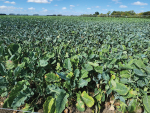
As farmers begin thinking about establishing next year’s winter forage crops, Beef + Lamb NZ is encouraging farmers to carefully consider what crops they are planting and where.
Election years are always a concerning time for farmers, according to DairyNZ chair Tracy Brown.
Most dairy regions around the country have had a pretty good season so far says Tracy Brown.
Developed in Australia and launched in 2021, John Deere’s See & Spray Select System uses camera-based green-on-brown technology to identify living green plant matter in fallow paddocks and apply herbicide only where it is needed.



Federated Farmers has welcomed new rural policies released by ACT, saying they align closely with its own election priorities.

Rural Contractors NZ says proposed changes to land transport rules for agricultural vehicles are a welcome response by the Government to out of date regulations which have seen members hit with huge fines.
Alliance is calling for final applications for its 2027 Graduate Programme, with applications closing on Sunday 25 October.
Decades piloting planes has ensured vet and farmer David Hayes is focused on safety. So, after a serious accident while welding on farm, he is sharing his experience so others can learn from it.
Canterbury milk processor, Synlait Milk has confirmed Leon Fung as its chief executive officer.
OPINION: Making it easier to collect rainwater and use it to grow crops and livestock is a no brainer.