Editorial: RSE Review - A Timely Move
OPINION: A simpler, clearer, more effective Recognised Seasonal Employer (RSE) scheme.
 increase font size
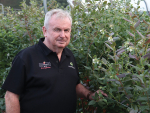
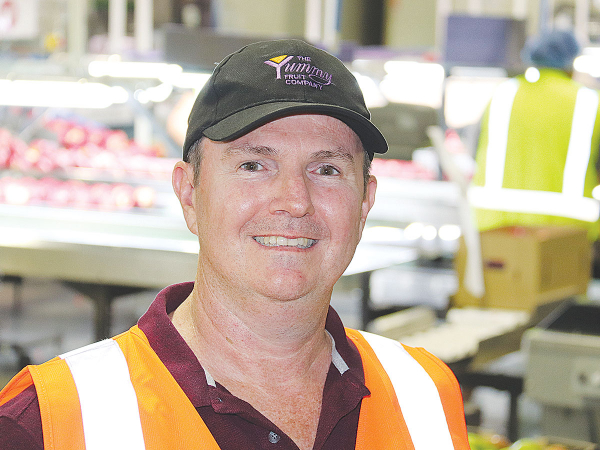 Paul Paynter says it has been a very challenging season, due to a combination of factors - including weather, Covid and labour shortages.
Paul Paynter - director of the family-owned Yummy Fruit Company, based in Hawke's Bay - has described the past season as the toughest year in his 30 years in the apple industry. He tells Peter Burke why...
Paul Paynter says it's been another very challenging season, due to a combination of factors, including weather, Covid and labour shortages yet again.
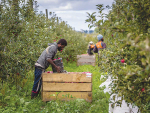
In terms of labour, two years ago Paynter had 130 backpackers working for him - last year it was just 18 and this year none!
He says adding to the worker issues is the fact that Covid has been bubbling away in the community and it has taken a lot of people out of the workforce. On top of that, wet weather has played havoc with picking fruit.
Paynter told Hort News in the first quarter of this year they've had a record 440mm of rain - 50mm higher than the previous record.
"As a result, it's become a quagmire in the orchards and I have got a guy working full time just trying to repair tracks to keep things functional out there," he explains. "But I think we are going to get most of the crop picked."
The other issue that plays constantly on Paynter's mind is shipping and getting product to market. He says shipping is unreliable and boats seem to come and then seemingly evaporate as if they were in the Bermuda Triangle.
Somewhat fortuitously, this hasn't been a problem for him just yet. Paynter says in February last year they shipped $1.4 million worth of fruit; this year it's been a mere $66,000. He says this is because the packhouses are only operating at about 60% capacity due to labour shortages. However, he believes this situation will improve in a few weeks' time when picking ends and people are deployed in the packhouses.
"My expectation is that the season will continue to be volatile and traumatic," Paynter says.
"It's been very tough on people after a couple of years of Covid and everyone's emotional shock absorbers are worn, just like many other New Zealanders. They aren't having fun anymore and they are worn out trying to do their job with too few resources and in very challenging times."
Paynter says people will struggle on in the hope there is light at the end of the tunnel and before long the world will return to some sense of normality.
OPINION: A simpler, clearer, more effective Recognised Seasonal Employer (RSE) scheme.

There's strong support from the horticulture sector for the Government's plans to overhaul and streamline the Recognised Seasonal Employer (RSE) scheme.
According to a progress report on the Aotearoa Horticulture Action Plan (AHAP), New Zealand's horticulture sector is making real progress on the big issues facing growers.
Agriculture Minister Todd McClay has admitted that a scheme bringing workers from Pacific nations to work on orchards has become too hard to navigate but says changes are coming.
We are encouraged that employers are already engaging with two new visas for seasonal workforce recruitment.


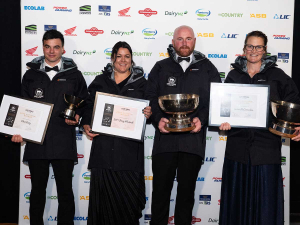
Entries opened on Monday, 5 October 2026 for the 2027 New Zealand Dairy Industry Awards (NZDIA), which organisers describe as the nation's biggest celebration of excellence in the dairy sector.
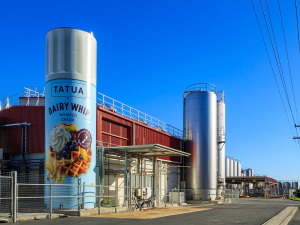
Waikato milk processor Tatua has again declared a record milk payout to farmer shareholders, leaving other processors in the dust.
A Labour-led Government won’t be bringing back the controversial freshwater rules of 2020.
National’s much-touted free trade deal with India featured in the Rural Issues Debate at Mystery Creek, Hamilton on Wednesday night.
New Zealand's 2026-27 freshwater fishing season has opened, with anglers encouraged to head to rivers and lakes over the coming days as conditions look favourable across much of the country.
Central Otago District Council (CODC) has voted against a plan to spread treated sewage sludge from Cromwell and Alexandra on farmland near Lauder, a decision Federated Farmers says reflects strong opposition from rural residents.