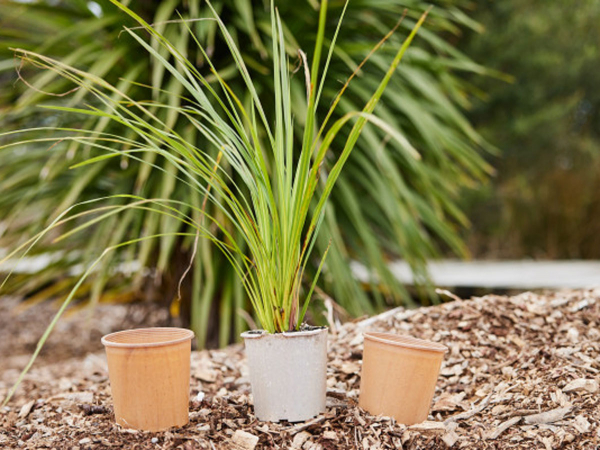
A new product is set to offer an alternative to plastic trays and pots used by nurseries and gardeners each year.
The Ministry for Primary Industries (MPI) has contributed $41,000 in funding through the Sustainable Food and Fibre Futures fund to enable Pinehurst Associates to refine its research and development for the pots, and work through manufacturing issues.
MPI director of investment programmes Steve Penno says the pots can last 12 months above ground before biodegrading, with the biodegrading process starting as soon as soil is added.
“They can be planted directly into the ground, with the pot providing fertiliser for the plant as the pot biodegrades,” he says.
“Taking commonly used plastic pots out of landfills will also help the environment.”
Peter Wilson, director of Pinehurst Associates, says the new product, PolBionix, is made from bio-polymers and a bio-fillers.
The bio-polymers are made from sustainably grown sugarcane, cassava and corn. The bio-filler is from waste organic matter that contains naturally occurring chemicals and nutrients that are attractive to microbes to eat.
“As a result, PolBionix biodegrades in mild environments, like in soil and under home composting conditions,” Wilson says.
The product is currently being tested in three commercial nurseries.
Wilson says the advantage of PolBionix over other biodegradable pots is its long shelf life.
“Our product can withstand the regular watering and handling that takes place in commercial nurseries.”
Wilson says the pots can be manufactured using existing plastic injection mould manufacturing process.
“Raw material costs for PolBionix are higher than for traditional fossil-based plastic pots, so the PolBionix pots will be more expensive. However, once you factor in not having to add fertiliser, and costs saved from not having to then dispose of the traditional pots – such as reduced labour, landfill and environmental costs – I think our PolBionix pots are a clear winner.”
Auckland Council started trialling the planting of PolBionix pots in Waitawa Regional Park on 3 August. Further PolBionix pots were planted at a local Auckland school this month. The school’s pot planting is being supported by Auckland Transport’s Eastern Busway project team who have a keen focus on environmental sustainability and using less plastic.
Wilson says that PolBionixis the result of 4 years of research in collaboration with Crown research institute Scion, and funding support from Callaghan Innovation and Auckland Council’s Waste Minimisation Fund.
“The scientific breakthrough that Scion’s scientists achieved has resulted in the filing of 2 international patents. The potential for the development of additional products that help mitigate the damage fossil-based plastic does to the environment is exciting,” he says.
Pinehurst Associates has received $85,500 from the Ministry for the Environment’s Plastics Innovation Fund, announced by Minister David Parker on Friday 23 September. This will assist the company in continuing to research additional formulations and fast-track the commercialisation of the PolBionix pots.
PolBionix will be commercialised through Wilson and Ross Limited within the next year.