NZ Milk Price Could Hit $10/kgMS as Global Supply Eases
A 'tsunami' of milk from key exporting countries is winding down and this may be good news for New Zealand dairy farmers.



 increase font size
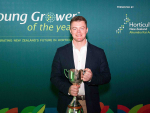
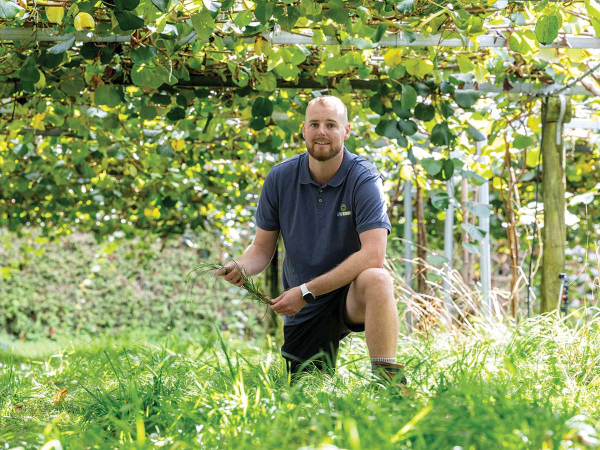 HortPathways attendee William Kenna said the programme was a great opportunity for personal development.
Twenty-eight emerging leaders from across the horticulture sector spent two days last month learning valuable skills and connecting with industry experts.
The event was the inaugural edition of Rabobank’s HortPathways programme in Papamoa.
Across the day and a half, participants heard from speakers covering a range of topics, including communication skills, succession, people management, personality profiling and governance. The programme was sponsored by the Rabo Community Fund with no cost for participants.
HortPathways is a spin-off of Rabobank’s AgPathways programme which first ran in 2015. The AgPathways programme was developed by Rabobank’s Lower South Island Client Council with the aim of developing young farmers skills and contacts to advance their careers in the agricultural sector. AgPathways has taken place annually in Otago or Southland across the last decade with other events held in Canterbury, Manawatu, Taranaki, and the East Coast over recent years.
The idea for the horticulture specific event came from members of Rabobank’s Upper North Island Client Council.
One of those Client Council members, Te Puke-based kiwifruit grower Brigid Crawford, said the event had been an “amazing couple of days”.
“Close to thirty emerging leaders from across the horticulture sector attended the programme and we were rapt with how this inaugural event went,” she said.
“We covered a whole host of topics and we had some great speakers come in.”
Crawford said the programme also included a ‘war stories’ segment which featured two local farmers discussing their experiences in the agricultural sector.
“The first was a dairy farmer who talked about some of the challenges he’s faced including weather events and seasons with a low milk price payouts,” she said.
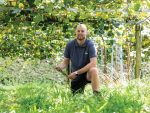
“The second was a young kiwifruit orchardist who bought his first orchard at 29 years of age. He covered some of the adversity he faced to get to that point, and his story was really inspiring.”
Crawford said the initial feedback from participants has been excellent.
“One participant said he had gained something from every session and it was hard to identify his favourite session as they were all so good,” she said.
“Hopefully, participants went away fully inspired and ready to take our industry forward into the future.”
Crawford said at the end of the programme, participants had been challenged to set goals and to start to think about their future pathway in the horticulture industry.
“With so much positive feedback, we do see this programme running again in the future,” she said.
HortPathways attendee William Kenna said the programme was a great opportunity for personal development.
“It was good to get off-orchard and out of business and to focus on myself a little bit,” he said.
“You always need to keep growing and upskilling and HortPathways provided a fantastic opportunity to do this.”
Kenna, who works for Katikati-based orchard and innovation business KW Kiwi, said HortPathways was “well organised” and covered a “multitude of different aspects of the horticultural industry”.
“I really enjoyed the session covering personality testing and goal setting. It was eye opening to learn about the different personality types and how to interact and communicate with different types of people, and this has honed a few areas that I think I need to work on,” he said.
“The session on governance was also really valuable, as was the session on succession – especially given KW Kiwi are a family owned business.
“As the industry grows, it is always important to look back at where we’ve come from and some of the challenges we’ve faced, and it was fantastic to have so many great speakers provide us with their insights and guidance on future pathways in the sector.”
Kenna is the current Bay of Plenty Young Grower of the Year. He said he already knew many of the HortPathways participants through his involvement with New Zealand Kiwifruit Growers Incorporated (NZKGI).
“But it was really good to have a different environment to connect with other horticulture sector participants and to learn,” he said.
“I met several new people, not just kiwifruit growers, but boysenberry and vegetable growers as well. I’d definitely recommend HortPathways to any sector participants who want to meet new people and continue their learning.”
A 'tsunami' of milk from key exporting countries is winding down and this may be good news for New Zealand dairy farmers.
Chinese beef trade quotas and a looming suspension of Brazilian beef imports into the European Union are expected to reshape global beef trade flows over the remainder of 2026, with implications for New Zealand exporters, according to Rabobank's Q3 Global Beef Quarterly report.
New Zealand consumers are paying more for beef mince than ever before, with the average retail price now sitting above $24 per kilogram, according to Rabobank.
West Otago dairy farmer Luke Kane has been awarded the 2026 Rabobank Dr John Morris Business Development Prize.
Twenty five secondary school students from around New Zealand recently completed a three day residential programme designed to explore career opportunities across the food and fibre production supply chain.

With some farmers opposing a government-industry partnership set up to develop methane reducing products, one NZ company claims that it already has a product on the market.

During the nesting season, from September to December, industrious starlings can quickly build nests in the darker areas behind tractor and vehicle, usually close to hot engines, typically resulting in localised damage or in some cases complete write-offs.
The meat processing industry is much more collegial than it was in the past and is now more focused on common goals.
With the last couple of months having seen some potential tractor purchases put on hold with the impending election and continued input cost rises, year-to-date figures, ending September, has seen deliveries up around 5% over the same period in 2025, with a total of 2026 units.
Beef+Lamb New Zealand is calling for nominations for director roles in the Northern South Island and Northern North Island electoral districts.
Fonterra chief executive, Richard Allen says being resilient has helped the dairy industry overcome extreme volatility in recent years.

OPINION: The same mainstream media muppets that brought you Jacindamania in 2017 have been flat out pimping for the Opportunities…
OPINION: Your old mate reckons the atrocious way farmers in the UK are treated by their lords and masters in…