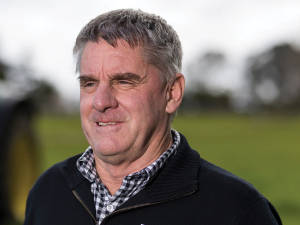
HortNZ chair Barry O’Neill is impressed with the way the horticulture sector has worked collectively and positively on all the issues it has faced.
He says, in particular, the industry has done a first-rate job in responding to protect the health and safety of staff during the crisis. O’Neill says employers have responded very professionally in making the health and safety of their staff the number one priority and have instituted policies and added special barriers inside packing sheds to ensure social distancing requirements are met.
“In some of the big packhouses that has resulted in lower throughput and them having to pack much slower because fewer people could be employed to meet social distancing requirements,” he told Rural News.
“Over the last couple of weeks, we have been working with MPI with most packing sheds have installed perspex screens, which enables people to work closer together. This, in turn, has allowed the packhouses to employ more people and – in most cases – throughput in these places is almost back to normal. Social distancing has also impacted on how much fruit can be picked in orchards,” he says.
One issue that has yet to be fully resolved in the sector is that of workers who come each year from the Pacific Islands to work on orchards and commercial growing operations under the RSE (recognised seasonal employee scheme).
O’Neill says a number of issues have arisen in respect to these workers as a result of COVID-19.
He says the RSE workers are an important part of NZ horticulture and hopes they will continue to be in the future.
But with travel bans in place, those workers who are in NZ cannot get home and those back in their own countries and were hoping to come to NZ soon cannot travel either.
“Obviously, it needs to be recognised that every RSE worker has a family and that family has been impacted,” he explains.
“The future of RSE workers is one we have to consider and find a sustainable way the scheme can operate,” he says.
Labour shortages have long been a problem for the horticulture sector, but since COVID-19 arrived on our shore many out-of-work Kiwis have found jobs in the sector. O’Neill says the number one priority of the sector is hiring unemployed New Zealanders.