NZKGI Responds to Migrant Worker Exploitation Reports
Where any worker in the kiwifruit industry is mistreated, we expect the authorities to take action.
 increase font size
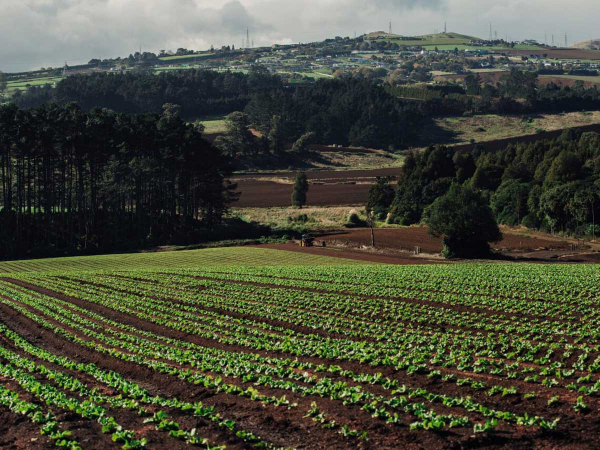 Pukekohe vegetable growers are adapting quickly to Alert Level 4 restrictions.
Pukekohe vegetable growers are adapting quickly to the new COVID-19 restrictions, says Pukekohe Vegetable Growers Association president Kylie Faulkner.
“Some of the ruling looked impossible to start with – like the 2m distancing. But with a bit of Kiwi ingenuity we are overcoming it,” she says.
“Members were overwhelmed to start with but are adapting quickly.”
Vegetable growers are considered “essential services” by the Government and allowed to operate under the Level Four Alert lockdown.
Faulkner says it’s too early to say how the lockdown will affect vegetable supply.
“I believe there is going to be less pressure on green vegetables due to the independent fruit and vege shops being closed.
“However, it all depends on individual businesses and their capabilities with staff and other things over these times – that is, some may lose staff due to having to look after children at home.”
Where any worker in the kiwifruit industry is mistreated, we expect the authorities to take action.

Kiwifruit growers are watchful but remain optimistic as concerns around the potential effects of the El Niño weather pattern this season.
James Blair, an agronomist for AS Wilcox and the Pukekohe regional champion, has won the 2026 Young Grower national title.
Claimed to be the first autonomous robot for New Zealand vegetables growers, the first Kilter AX-1 unit has arrived in the country.
After delivering a strong financial year, rural trader PGG Wrightson says the coming months will depend on customer confidence and weather.



LIC shareholders have elected a new North Island representative to the co-operative's Board, along with five representatives to its Shareholder Reference Group (SRG), following the company's Annual Meeting held in Invercargill.
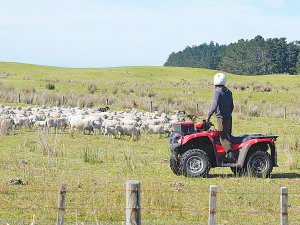
Farmers across parts of Southland and South Otago are continuing to deal with difficult conditions after a prolonged run of wet weather, with pressure building around feed supply, stock management, pasture damage, farm infrastructure and everyday workloads.
Federated Farmers says it welcomes Labour's commitment to reviewing the Sharemilking Agreements Act, calling on other major parties to do the same.
For Canterbury dairy farmers Sian Meijer and Rick Wobben, wearable technology has become one of their most valuable on-farm tools - helping manage 1850 cows across an expansive, high-performing dairy operation while improving efficiency, mating outcomes and day-to-day decision making.
Fonterra has unveiled its annual results for the 2026 financial year, posting $27 billion in revenue and close to $20 billion returned to New Zealand farmer owners and unit holders.
The first major update to the Dairy Cattle Code of Welfare in more than a decade has been released, marking what DairyNZ describes as an important step in ensuring animal welfare standards continue to evolve alongside scientific evidence and on-farm realities.