Reeling from two consecutive years of heavy losses, Alliance says it has appointed Craigs Investment Partners to explore external capital-raising options.
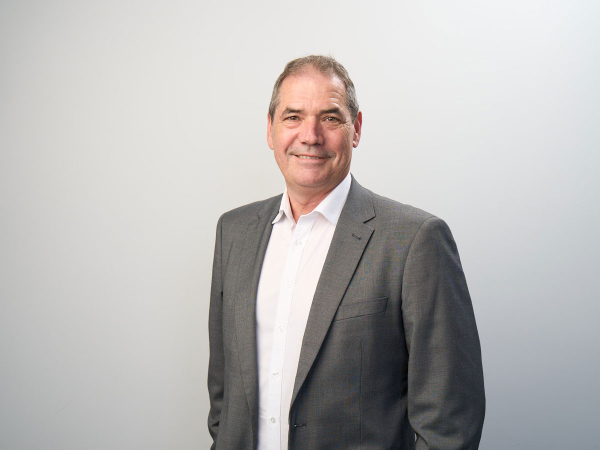
Alliance chair Mark Wynne says there’s “encouraging interest” from both international and domestic parties.
“While we are at the very early stages of the process, we’ve seen encouraging interest from both international and domestic parties, but for reasons of commercial sensitivity, we will not comment on specific opportunities,” he says.
“We will be assessing any external opportunities based on strategic fit, value and expected benefits for the company and our shareholders before making any decisions. Ultimately, the final decision will rest with our farmer-shareholders.”
Alliance has posted a loss after tax of $95.8 million for the year ending September 30, 2024. The previous year the co-operative lost $70m. The co-op is also seeking capital from farmer shareholders to strengthen its balance sheet. However, the co-op says it understands the burden of asking farmers to reinvest in difficult circumstances.
Willie Wiese, chief executive of Alliance, said the company worked hard to improve its offering to farmers as part of a programme to rebuild trust and confidence.
“Enhancing the value we deliver to our farmers has been a key focus of our reset this year. We introduced a more equitable livestock pricing schedule, reshaped our loyalty programme and committed over time to bring in a simplified ‘all-in’ processing sheet.”
Read More
The company made significant progress on key technology projects, including its Enterprise Resource Planning (ERP) programme.
“Our Finished Goods Warehousing project has modernised our inventory management and the order-to-cash process, reduced business risk and increased cash velocity through faster inventory turnover and cash collection.
“We also rolled out our Meat Eating Quality (MEQ) programme across our plant network. Powered by cutting-edge artificial intelligence, this technology measures intramuscular fat (IMF) levels in lamb and marbling percentages in beef, providing real-time data on eating quality.
“This data is offering our farmers valuable insights to inform breeding and feeding programmes, leading to more sustainable livestock management and consistent quantifiable meat quality for our customers.”
Global markets remained exceptionally challenging with prices remaining weaker as consumers continued to keep a tight rein on spending in the face of the cost-of-living crisis, says Wiese.
“Sales value and volume to the Chinese market nearly halved this past financial year. While China had been our largest market, we used this opportunity to develop significant commercial alternatives, making solid progress in establishing more stable and consistent markets outside of China.
“Although global markets remain tough, we saw steady demand growth throughout the year, with prices gradually climbing. Beef has been trading strongly above its five-year average price, driven by the drought in the United States. After two years of downward pressure on pricing, lamb now appears to be coming off the bottom of the price cycle.
“Alliance has become a more agile and leaner company, better positioned to capture greater market value and deliver stronger returns to our farmer-shareholders."