India FTA Removes 33% Tariff on NZ Sheepmeat
New Zealand’s red meat sector has welcomed the India-New Zealand Free Trade Agreement taking effect, which removes India’s 33% tariff on New Zealand sheepmeat.




 increase font size
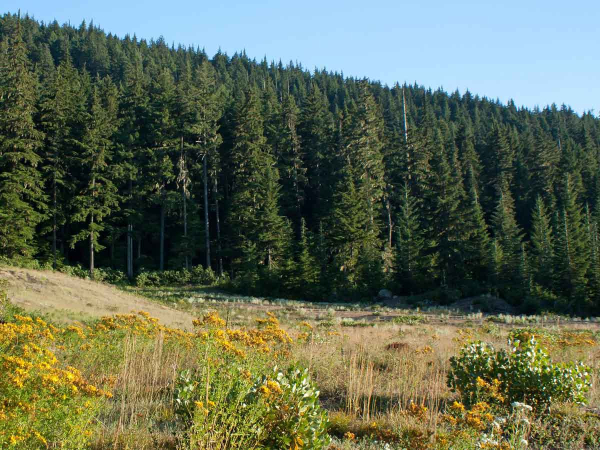
More than 95 per cent of New Zealand’s forestry and wood exports to India can now enter tariff free as the New Zealand-India Free Trade Agreement comes into force today.
New Zealand Forest Owners Association (NZFOA) President Dean Witehira said the agreement is a major opportunity for forest growers, wood processors and exporters to expand into one of the world’s fastest-growing economies.
“Wood and wood products are already New Zealand’s largest goods export to India, with New Zealand Trade and Enterprise (NZTE) data showing exports have tripled over the past three years to $193 million,” Witehira said.
“With tariffs on almost all remaining forestry trade set to disappear over the next seven years, there’s considerable potential to build on this.”
“We already have a strong trading relationship with India, and removing tariffs on more than 95 per cent of our existing exports puts our sector in a much better position to compete and grow.”
Witehira said the agreement comes at an important time for forestry, with growers and processors looking to strengthen existing markets and find new opportunities.
“India’s scale and growing demand for wood products make it an attractive market for our sector. Better access gives New Zealand exporters a chance to win new customers, grow existing relationships and support further investment in forestry and wood processing at home,” he said.
“Recent NZIER research found forestry contributes $5.4 billion to New Zealand’s GDP, with a particularly important role in regional economies,” Witehira said.
“Growing our exports means more opportunities for harvesting crews, contractors, transport operators, mills and manufacturers, along with the local businesses that depend on them.
“A stronger export sector is good news for the regions where forestry is a major employer and economic contributor.”
Witehira said the agreement builds on longstanding relationships between the two countries, including opportunities for collaboration on forestry research, education and industry practices.
“Our visits to India and engagement on the ground have helped lay the foundations for further collaboration, and today’s milestone gives us the opportunity to build on that work.
“We congratulate everyone involved in getting this agreement across the line. The focus now is on making the most of this improved access and turning it into more trade, investment and jobs for New Zealand,” he said.
New Zealand’s red meat sector has welcomed the India-New Zealand Free Trade Agreement taking effect, which removes India’s 33% tariff on New Zealand sheepmeat.

Zespri has welcomed the entry into force of the India-New Zealand Free Trade Agreement today, calling it a significant milestone that will support long-term growth in one of the world’s largest and fastest-growing consumer markets.
A seasoned horticulturist has been appointed to deliver the Apple Action Plan, a key initiative of the India-New Zealand Free Trade Agreement.
National’s much-touted free trade deal with India featured in the Rural Issues Debate at Mystery Creek, Hamilton on Wednesday night.
The New Zealand Institute of Forestry (NZIF) says unnecessary changes to New Zealand’s Emissions Trading Scheme (NZ ETS) will seriously erode investor confidence and result in significant reductions in forest planting rates.

With some farmers opposing a government-industry partnership set up to develop methane reducing products, one NZ company claims that it already has a product on the market.

During the nesting season, from September to December, industrious starlings can quickly build nests in the darker areas behind tractor and vehicle, usually close to hot engines, typically resulting in localised damage or in some cases complete write-offs.
The meat processing industry is much more collegial than it was in the past and is now more focused on common goals.
With the last couple of months having seen some potential tractor purchases put on hold with the impending election and continued input cost rises, year-to-date figures, ending September, has seen deliveries up around 5% over the same period in 2025, with a total of 2026 units.
Beef+Lamb New Zealand is calling for nominations for director roles in the Northern South Island and Northern North Island electoral districts.
Fonterra chief executive, Richard Allen says being resilient has helped the dairy industry overcome extreme volatility in recent years.




OPINION: The same mainstream media muppets that brought you Jacindamania in 2017 have been flat out pimping for the Opportunities…
OPINION: Your old mate reckons the atrocious way farmers in the UK are treated by their lords and masters in…