Early Weaning Lambs: What the Massey Trials Found
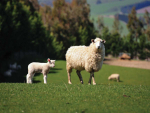
Farmers with high-quality feed available in late spring could consider weaning at least a proportion of their lamb crop early to benefit both lambs and ewes.
 increase font size
 Zoetis veterinarian, Dr Victoria Chapman
Although preventable, lamb loss from clostridial diseases during the first year of life on New Zealand hill country farms continues to be an issue. A field trial, where lambs were vaccinated at docking and weaning, demonstrated that vaccination was highly effective, lowering clostridial deaths by 23%. Zoetis veterinarian Dr Victoria Chapman unpacks the importance of robust animal health programmes, vaccination timing and the potential harmful consequences for stock when vaccination isn't given.
The clostridial diseases that are most likely to affect stock under New Zealand farming conditions include tetanus (often contracted at tailing), pulpy kidney (enterotoxaemia), black disease (triggered by migrating liver fluke), blackleg (caused by bruising) and malignant oedema (resulting from fighting).
Sometimes, especially in lambs grazing specialty finishing crops, Sudden Death Syndrome can cause death. Even more rarely, a number of other clostridial bacteria can also cause disease and death and these are covered with a 10-in-1 vaccine. Prior to the use of multivalent vaccines, clostridial death was common and often killed large numbers of stock. The recent trial highlights that clostridia are still around, still cause disease and can be controlled with vaccination.
Clostridial bacteria naturally exist in the environment and multiply in low-oxygen conditions, such as those caused by bruising. They are ingested with soil or plant matter and often lie dormant in muscle or the gut, awaiting suitable conditions.
Ewes and cows require annual boosters to protect them and to bolster maternal antibodies which are passed to their lambs and calves respectively, through colostrum.
Young animals need a primer followed by a booster 4-6 weeks later. If they are to graze crops, ensure a booster is given within 3 months of going onto the crop. Rams should also be vaccinated, at least 8 weeks prior to their risk period, which is tupping (because of bruising due to fighting).
Typically, no early signs are evident, just sudden death. However, with tetanus, lambs may be found lying in a stiff sawhorse position and spasm when touched.
Annual vaccination protects ewes during lambing. She isn’t giving birth in a clean hygienic environment, so the vaccine boosts her immunity to protect her during this stressful time.
It also provides short-term protection via colostrum for their lambs.
Prevention is key, including minimising bruising during yarding and handling.
Maintaining hygiene with clean, sharp needles and clean docking equipment reduces infection risk, and the gradual introduction of lambs to crops helps prevent digestive imbalances.
Vaccination with clostridial antigens (5in1 vaccine) stimulates the immune system against these diseases.
Assume the flock is unvaccinated and administer two vaccinations 4-6 weeks apart, followed by annual boosters as usual.
Compared to stock losses, a vaccination program for clostridial disease is far less expensive.
A recent field trial with Ultravac 5-in-1 in New Zealand showed that vaccination of lambs at docking and pre-weaning prevented 23% of the total lamb deaths and returned a gross income more than 3 times the vaccine cost.
For farm specific clostridial disease programs or to learn more about the importance of robust animal health programmes, vaccination timing and the potential harmful consequences for stock when vaccination isn’t given, get in touch with your local vet.
• Article provided by Zoetis
Farmers with high-quality feed available in late spring could consider weaning at least a proportion of their lamb crop early to benefit both lambs and ewes.
The first major update to the Dairy Cattle Code of Welfare in more than a decade has been released, marking what DairyNZ describes as an important step in ensuring animal welfare standards continue to evolve alongside scientific evidence and on-farm realities.
Drench Options are become increasingly limited for sheep farmers, highlighting the importance of proactive parasite management planning within the wider farm system to stretch the longevity of drench as a tool.
Bovine Viral Diarrhoea (BVD) is sometimes viewed as a dairy industry issue, but the reality is that the disease can have serious consequences for beef breeding herds as well.
Animal health company Bovonic is gearing up for its next stage of growth after increasing New Zealand sales of QuadSense by more than 50% in the last 12 months, including a record quarter for the business this year.



Federated Farmers has welcomed new rural policies released by ACT, saying they align closely with its own election priorities.

Rural Contractors NZ says proposed changes to land transport rules for agricultural vehicles are a welcome response by the Government to out of date regulations which have seen members hit with huge fines.
Alliance is calling for final applications for its 2027 Graduate Programme, with applications closing on Sunday 25 October.
Decades piloting planes has ensured vet and farmer David Hayes is focused on safety. So, after a serious accident while welding on farm, he is sharing his experience so others can learn from it.
Canterbury milk processor, Synlait Milk has confirmed Leon Fung as its chief executive officer.
OPINION: Making it easier to collect rainwater and use it to grow crops and livestock is a no brainer.