Early Weaning Lambs: What the Massey Trials Found
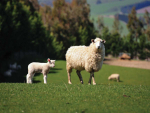
Farmers with high-quality feed available in late spring could consider weaning at least a proportion of their lamb crop early to benefit both lambs and ewes.
 increase font size
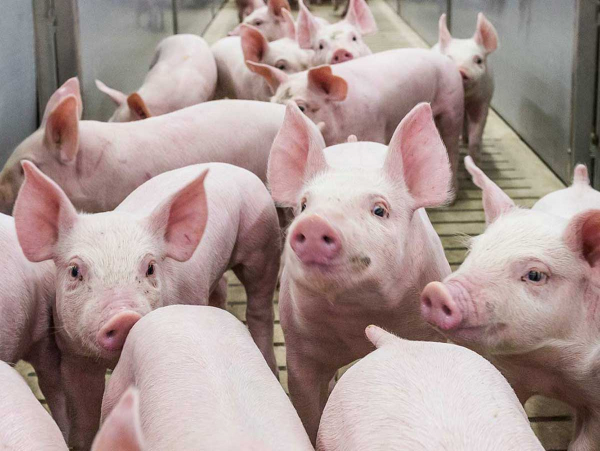 Changing the diets of pregnant sows could be key to improving animal welfare by easing heat stress.
New research from the University of Queensland and the Queensland Alliance for Agriculture and Food Innovation (QAAFI) has revealed that changing the diets of pregnant sows could be key to improving animal welfare by easing heat stress.
Dr Marta Navarro from QAAFI says there are clear links between heat and loss of appetite, reduced milk production and sub-optimal piglet growth, as well as harm to the gastrointestinal tract.
“Once the pigs are heat stressed, impacts spill over into the next breeding cycle, producing long-term effects on productivity that are compounded by the impact on the piglets’ growth,” Navarro says.
The project seeks to tackle three main objectives:
More than a year into the work, Navarro’s research team, led by Dr Maximiliano Müller, has made significant findings.
In the first round of experiments in climate-controlled rooms, performance and physiological measurements of respiration and heart rates were measured in the animals under both heat-stressed and thermo-neutral conditions along with the collection of blood, colostrum, milk and waste samples for additional analysis.
“We will be able to correlate the performances and physiological measurements of each animal with its metabolic biomarker profile under normal conditions and when in heat-stress," Müller says.
“This information will help us understand what physiological mechanisms contribute to the differences in heat tolerance among different individuals.
“Those specific metabolic biomarkers will be used to identify dietary innovations that will allow pigs to withstand heatwaves.
“We are continuing to process and analyse the collected samples, so the quality of the information obtained is only going to improve.”
One source of protein for pig diets comes from imported soybean, which has a high economic and environmental cost.
Reducing protein levels in animal nutrition is currently a strategic objective to reduce the environmental footprint, particularly in pig and poultry production.
“Some sources of dietary protein are not fully absorbed by the pig gut; instead, they move through to the last part of the gut where it promotes bacterial fermentation and consequently internal heat production,” Müller says.
“So, a strong focus is on providing highly digestible protein sources and on reducing the overall crude protein level in the diet to minimize the amount of protein that reaches the distal gut and, therefore, is available for bacterial fermentation.”
Meanwhile, Navarro says the project balances numerous complex issues.
“One of the objectives of the project is to confirm the economic advantage of using lower levels of highly digestible proteins to prevent the negative effects of the heat stress, but restricted only to heatwave events, since this approach adds cost to the diet,” she said.
“That means the project also must balance animal welfare, cost and environmental sustainability goals.
“We’re on the right path to understand mechanisms to improve the individual tolerance of sows to the heat stress.
“There are also innovations possible around the use of essential oils and other additives such as using flavours to prevent the loss of appetite in heatwave events.”
This project is funded by the Australasian Pork Research Institute Ltd (APRIL), Feedworks, Rivalea, the Department of Agriculture and Fisheries and The University of Queensland. UQ is also funding PhD student Astrid Coba to support the pork industry to build capacity and talent to continue research innovation in the future.
Farmers with high-quality feed available in late spring could consider weaning at least a proportion of their lamb crop early to benefit both lambs and ewes.
The first major update to the Dairy Cattle Code of Welfare in more than a decade has been released, marking what DairyNZ describes as an important step in ensuring animal welfare standards continue to evolve alongside scientific evidence and on-farm realities.
Bovine Viral Diarrhoea (BVD) is sometimes viewed as a dairy industry issue, but the reality is that the disease can have serious consequences for beef breeding herds as well.
Animal health company Bovonic is gearing up for its next stage of growth after increasing New Zealand sales of QuadSense by more than 50% in the last 12 months, including a record quarter for the business this year.
With lambing underway in many regions, Beef + Lamb New Zealand is encouraging farmers to put together a wellequipped lambing kit to help minimise lamb losses, particularly in bad weather.


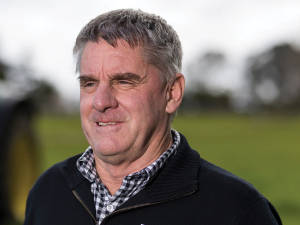
Federated Farmers has welcomed new rural policies released by ACT, saying they align closely with its own election priorities.

Rural Contractors NZ says proposed changes to land transport rules for agricultural vehicles are a welcome response by the Government to out of date regulations which have seen members hit with huge fines.
Alliance is calling for final applications for its 2027 Graduate Programme, with applications closing on Sunday 25 October.
Decades piloting planes has ensured vet and farmer David Hayes is focused on safety. So, after a serious accident while welding on farm, he is sharing his experience so others can learn from it.
Canterbury milk processor, Synlait Milk has confirmed Leon Fung as its chief executive officer.
OPINION: Making it easier to collect rainwater and use it to grow crops and livestock is a no brainer.