Beef + Lamb NZ's Lambing Kit Checklist for a Tough Season
With lambing underway in many regions, Beef + Lamb New Zealand is encouraging farmers to put together a wellequipped lambing kit to help minimise lamb losses, particularly in bad weather.
 increase font size
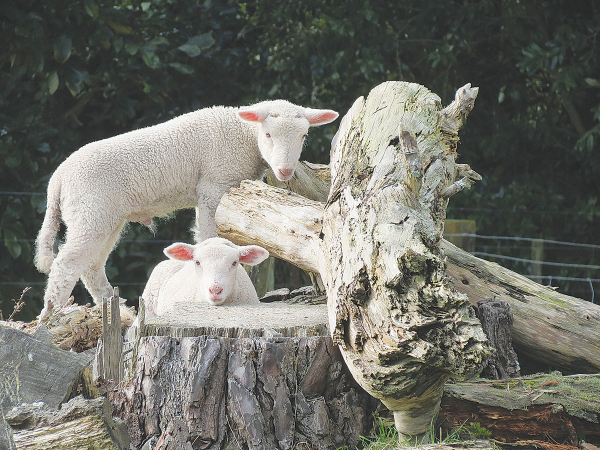 Cold snaps can be challenging for newborn lambs.
Cold snaps can be challenging for newborn lambs, but an injection of dextrose can be a lifesaver for cold or weak lambs.
Beef + Lamb New Zealand’s senior advisor biosecurity and animal welfare, Will Halliday, says lambs born during a cold snap will exhaust all their energy reserves just trying to keep warm and won’t have the strength to feed. He says they are then in danger of starving to death.
A 20% dextrose mix (ideally warmed) injected straight into the lamb’s abdomen will give it the energy boost it needs to survive but should only be used as a last resort.
Halliday says it is important the dextrose is given before warming the lamb up.
“If you warm the lamb up before administrating the dextrose, it can hasten its death.”
He adds that the ideal candidates for this treatment are lambs that are four or five hours old that have not fed off their mothers. Newborn lambs will typically respond to just being warmed up without the injection, although a dextrose injection won’t hurt them.
Halliday advises that farmers can buy 40% dextrose off their vets and use sterile water (cooled boiled water) or saline to dilute it themselves. He stresses that table sugar is not a suitable substitute for dextrose and should not be used.
Source: B+LNZ
With lambing underway in many regions, Beef + Lamb New Zealand is encouraging farmers to put together a wellequipped lambing kit to help minimise lamb losses, particularly in bad weather.
OPINION: The good times felt across the dairy sector weren't lost at last week's Beef + Lamb NZ annual meeting.
Beef + Lamb New Zealand (B+LNZ) is calling on livestock farmers to take part in a survey measuring the financial impact of facial eczema (FE).
Beef + Lamb New Zealand (B+LNZ) chair Kate Acland says there are clear governance processes in place to ensure fairness and transparency.
The red meat sector is watching anxiously as the US embarks on a tariff war with its key trading partners.

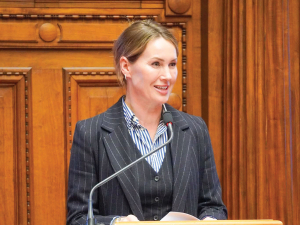
The Government is introducing a new nationwide rural recycling scheme that will significantly increase the recovery of farm plastics from March next year, Minister for the Environment Nicola Grigg announced today.
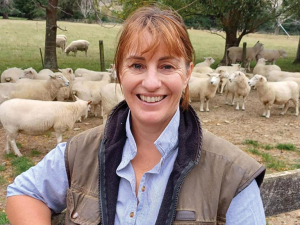
B+LNZ's Wormwise veterinarian Mary Bowron has won the Best Sheep and Beef Vet of the Year Award in recognition of her outstanding contribution to New Zealand’s sheep and beef sector.
Researchers at Massey University are using a special piece of scientific equipment to improve the measurement of greenhouse gas emissions from pasture soils.
More signs of a booming kiwifruit sector.
OPINION: David Seymour and James Meager's plan to make it easier for farmers and orchardists to operate drones can best be described a 'courageous' move.
New Zealand wool is reaching new heights as air filtration companies move away from synthetic products to biodegradable alternatives.