Mark Hooper Joins NZPork Board as Independent Director
Rural leader Mark Hooper has been appointed as an independent director to the NZPork board, bringing extensive farming, governance and advocacy experience to the role.




 increase font size
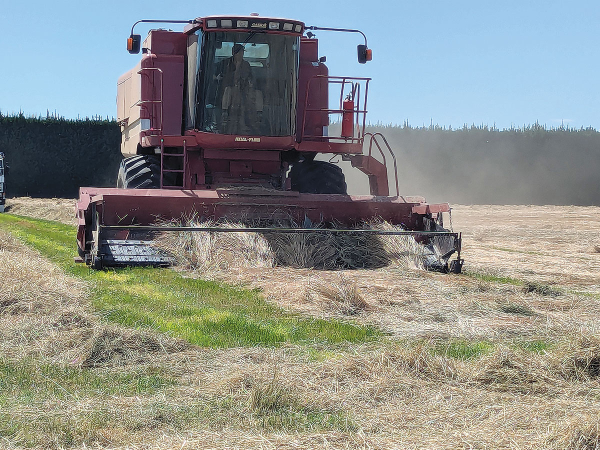 In a summer of unreliable weather, Feds Arable chair David Birkett takes advantage of a hot day to lift a paddock of ryegrass seed from a leased block near Leeston.
Canterbury arable farmers are down by tens of millions of dollars after a rollercoaster of wild changeable January weather saw harvests delayed and some crops destroyed by violent hailstorms.
Federated Farmers arable chair David Birkett, who farms at Leeston, near Christchurch, said there was a period of two to three weeks of persistent stormy and wet weather after Christmas. Some crops were ruined by damp conditions before they could be harvested and others destroyed by an unusually high incidence of hail.
“Those are the guys we’re worried about the most,” he told Rural News.
“Some of those guys have had 100 percent loss on some crops so they’re going to really struggle with this season.”
Birkett said arable farmers only get one shot at a harvest. The losses will “really start to hurt” later in the year when the money usually comes in but their cash flow will dry up.
“We’re just working with Rural Support and MPI to try and see what we can do for those guys who have been hit the hardest.
“Some of them you might be able to cut usable animal feed but you wouldn’t be able to get the grain or seed out of them. There’s not a lot you can do.”
Birkett said the hail damage was very random, with some fields flattened beside fields that were untouched. The worst affected area was mid-Canterbury between the Rangitata and the Rakaia Rivers but there were also reports of hail damage as far afield as Rangiora and Oamaru.
Canterbury’s troubles may have been overshadowed by the widespread serious damage to land, crops and infrastructure in northern regions from the same persistent weather systems.
In late January, the Government announced a $2.2 million relief package to support affected regions through Mayoral Relief Funds and marae. The following day, Agriculture Minister Todd McClay and Rural Communities Minister Mark Patterson announced an additional $200,000 to Rural Support Trusts.
“Significant rainfall, flooding, slips, and hailstorms have caused damage to farms, crops, and rural infrastructure,” said McClay.
However, that announcement specifically mentioned only Northland, Coromandel, Bay of Plenty, and Tairāwhiti.
“We’re just trying to work out whether we can get some of that,” said Birkett.
“It’s not going to be financial support to recuperate losses, it’s more around what can we do to give that moral and local and community support for these people. It’s just making them aware that people are aware of what they’ve gone through and that they’re going to have a tough year in front of them.”
Rural leader Mark Hooper has been appointed as an independent director to the NZPork board, bringing extensive farming, governance and advocacy experience to the role.
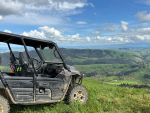
The terrible floods that hit the Wairarapa may have subsided, but the danger to farmers still exists, according to local Federated Farmers president Rob Hickson.
Will a stronger, more coordinated voice help rebuild confidence and improve returns in the wool sector?
New Zealand's pest problem has reached crisis point, according to Federated Farmers' second National Pests Survey, which shows farmers are spending more money and effort on control — yet pest numbers keep climbing faster than they were two years ago.
Despite political shenanigans in Wellington, farmers are confident that Resource Management Act (RMA) reforms will get over the line in this term of Parliament.
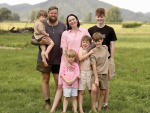
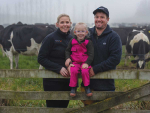
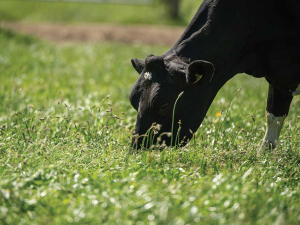
Farms across the upper North Island are trialling different pasture mixes as part of a research programme that aims to build greater resilience into farming systems.
Election years are always a concerning time for farmers, according to DairyNZ chair Tracy Brown.
The Ballance Farm Environment Awards are coming to the West Coast of the South Island.
Most dairy regions around the country have had a pretty good season so far says Tracy Brown.
Rural leader Mark Hooper has been appointed as an independent director to the NZPork board, bringing extensive farming, governance and advocacy experience to the role.


OPINION: The same mainstream media muppets that brought you Jacindamania in 2017 have been flat out pimping for the Opportunities…
OPINION: Your old mate reckons the atrocious way farmers in the UK are treated by their lords and masters in…