Feds Back National’s 19 Farming National Standards
National’s pledge to introduce 19 new national standards shows the party is serious about getting Wellington out of farming, Federated Farmers says.




 increase font size
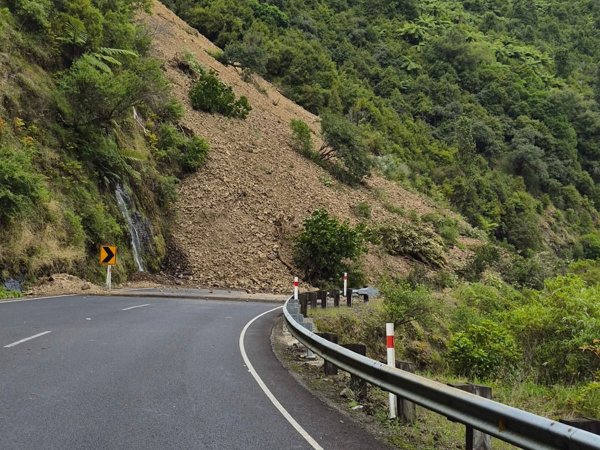 tate Highway 2 through the Waioweka Gorge from Gisborne to Opotiki has been closed and the road around the costs SH 35 is also being blocked. Photo Credit: New Zealand Transport Agency Waka Kotahi - Waikato & Bay of Plenty Facebook Page.
OPINION: The past few weeks have been tough on farms across the North Island: floods and storms have caused damage and disruption to families and businesses.
While most dairy farms were mostly spared, orchards and sheep and beef properties found themselves in the firing line.
A major issue, weeks on from the storms, is the condition of major roads in Northland, Hawke's Bay and parts of Bay of Plenty.
State Highway 2 through the Waioweka Gorge from Gisborne to Opotiki has been closed and the road around the costs SH 35 is also being blocked.
There aren't a lot of dairy farms in the region and those impacted by the road closures are being taken care of by Fonterra.
A silver lining for the dairy sector has been heavy rainfall, welcome by dairy farms that were starting to get dry.
It's now greened up, and the grass is growing, and farmers are relying less on supplements.
Post-storms, rural advisory groups coordinated well to build a clear picture of what was happening on the ground and ensure that information was shared where it needed to be.
According to Federated Farmers, we've come a long way in this space, including last year's progress on legislative reform to ensure rural people and businesses finally have an experienced voice in emergency management planning and response.
It notes that having at least one person with rural expertise on each of New Zealand's 16 regional Civil Defence Emergency Management (CDEM) groups put farmers in a much stronger position for the future.
Rural communities have strong local networks, people and equipment ready to help. However, those resources are only effective if they're properly integrate into the formal emergency management system.
National’s pledge to introduce 19 new national standards shows the party is serious about getting Wellington out of farming, Federated Farmers says.
Mobile phone coverage and reliability are deteriorating in rural areas, and farming families are bearing the cost, according to a Federated Farmers survey.
Central Otago District Council (CODC) has voted against a plan to spread treated sewage sludge from Cromwell and Alexandra on farmland near Lauder, a decision Federated Farmers says reflects strong opposition from rural residents.
Federated Farmers has called on Central Otago District Council (CODC) to drop or vote down a plan to truck sludge from Alexandra and Cromwell to farmland near Lauder, warning it would compound an "outrageous" situation created by a separate council's decision weeks earlier.
Federated Farmers says new legislation replacing the Resource Management Act will cut red tape, unlock investment and help grow New Zealand's export-led economy, after the Planning Bill and Natural Environment Bill passed their third reading in Parliament yesterday.


National’s pledge to introduce 19 new national standards shows the party is serious about getting Wellington out of farming, Federated Farmers says.
The National Party’s policies to make it easier to grow fresh vegetables, secure reliable water and energy and simplify farm planning are practical changes that will give growers the confidence to invest, according to Horticulture New Zealand (HortNZ).
Fonterra Co-operative Group chief financial officer Andrew Murray has resigned to take up a role outside the dairy giant.
A major move is about to get underway to improve the quality and viability of dairy beef and cattle in NZ.
Veterinarians say changes to the code of welfare for dairy cattle provides a positive foundation for improved cattle welfare across the country.
Today, 15 October, is the International Day of Rural Women, which recognises rural women’s contribution to farming, communities and the environment.




OPINION: It seems Canterbury processor Synlait is still in the doldrums.
OPINION: Get offside with New Zealand First leader Winston Peters at your own peril.